Johannes Ciconia
Ben che da vui donna
Released Album
Recent Album
Works Info
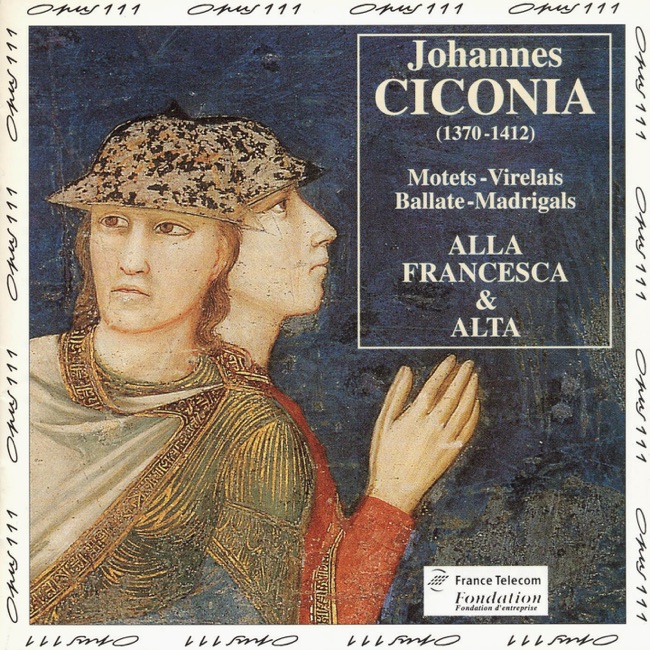
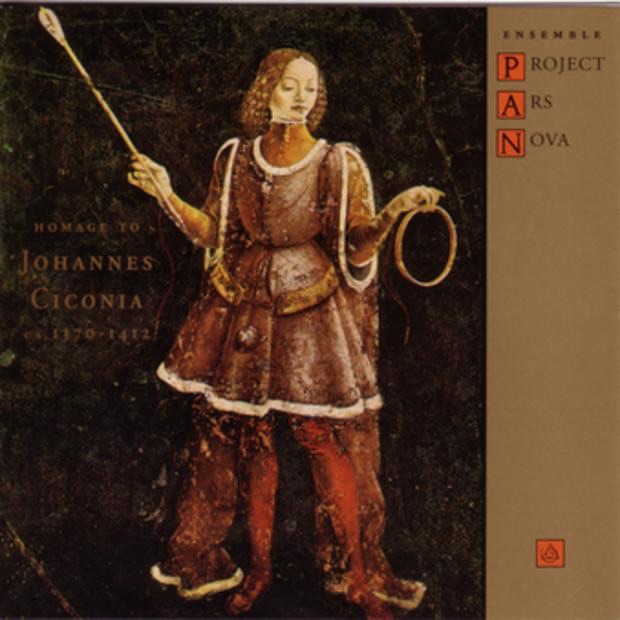
Composer:Johannes CiconiaGenre:VocalStyle:Vocal MusicAverage_duration:3:07Johannes Ciconia was a prominent composer of the late medieval period, known for his innovative and expressive compositions. One of his most famous works is "Ben che da vui donna," a secular song that showcases his skill in creating complex and intricate musical textures. "Ben che da vui donna" was composed in the early 15th century, likely around 1410-1415. It is believed to have been written for a noblewoman in the court of Padua, where Ciconia was employed as a musician. The song is written in Italian, which was a common language for secular music at the time. The piece is structured in three distinct movements, each with its own character and mood. The first movement is slow and contemplative, with a mournful melody that reflects the speaker's longing for his beloved. The second movement is faster and more lively, with a dance-like rhythm that suggests the speaker's joy at being reunited with his love. The final movement returns to the slower tempo of the first, but with a more hopeful and optimistic tone. One of the most striking features of "Ben che da vui donna" is its use of complex polyphony, or the interweaving of multiple melodies. Ciconia employs a technique called hocket, in which different voices take turns singing short phrases, creating a rhythmic and melodic interplay that is both intricate and captivating. This technique is particularly effective in the second movement, where the hocketing creates a sense of joyful energy and movement. Another notable aspect of the piece is its use of dissonance, or the intentional clash of notes. Ciconia uses dissonance to create tension and drama, particularly in the first and third movements, where the melancholy mood is heightened by the unresolved harmonies. Overall, "Ben che da vui donna" is a masterful example of late medieval secular music, showcasing Ciconia's skill in creating complex and expressive compositions. Its intricate polyphony, use of hocket and dissonance, and shifting moods and tempos make it a fascinating and engaging piece of music that continues to captivate listeners today.More....
Works Music
Released Music