Christian Gottlob Neefe
Piece for organ after Mozart's "Die Zauberflöte"
Released Album
Recent Album
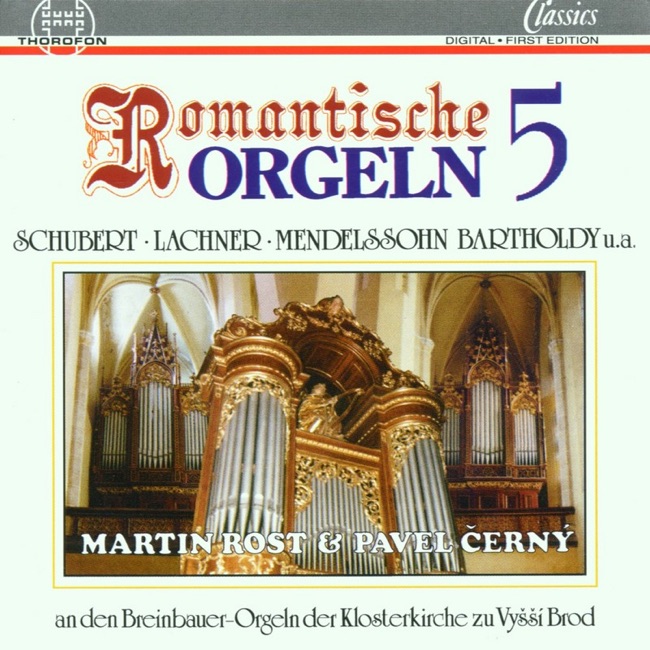
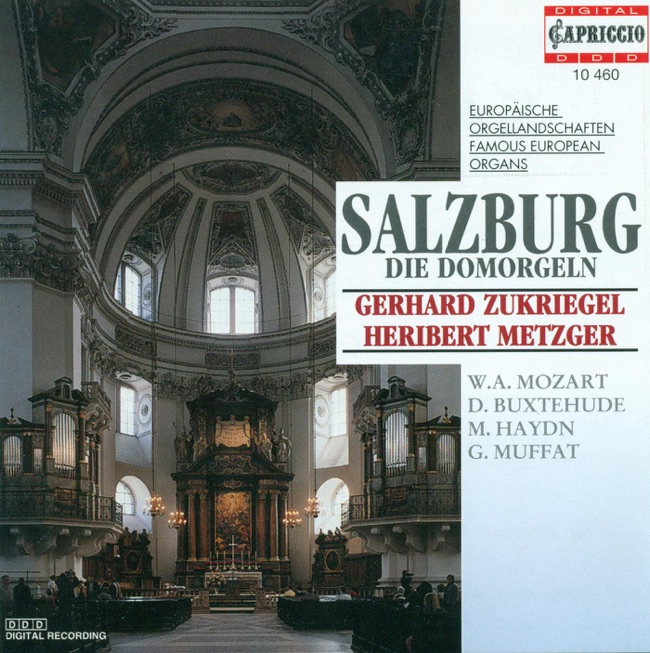
Works Info
Composer:Christian Gottlob NeefeGenre:KeyboardStyle:KeyboardAverage_duration:2:01Christian Gottlob Neefe composed the 'Piece for organ after Mozart's Die Zauberflöte' in the late 18th century. The exact date of composition is unknown, but it is believed to have been written around the time of the premiere of Mozart's opera 'Die Zauberflöte' in 1791. The piece was first performed in Neefe's hometown of Chemnitz, Germany. The 'Piece for organ after Mozart's Die Zauberflöte' consists of three movements. The first movement is a lively and energetic allegro, which captures the playful and whimsical nature of Mozart's opera. The second movement is a slow and contemplative adagio, which reflects the more serious and philosophical themes of the opera. The final movement is a fast and joyful allegro, which brings the piece to a triumphant conclusion. Neefe's composition is characterized by its use of the organ as the primary instrument. The piece is written in a Baroque style, with intricate counterpoint and ornamentation. Neefe also incorporates elements of Mozart's music into his composition, such as the use of the famous Queen of the Night aria from 'Die Zauberflöte' in the second movement. Overall, the 'Piece for organ after Mozart's Die Zauberflöte' is a charming and skillful tribute to Mozart's opera. Neefe's use of the organ and his incorporation of Mozart's music make for a unique and enjoyable listening experience.More....
Works Music