Heitor Villa-Lobos
Chôros No. 12, A. 233
Released Album
Recent Album

Works Info
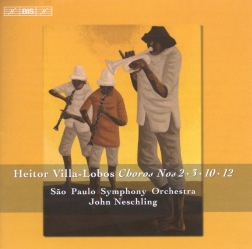
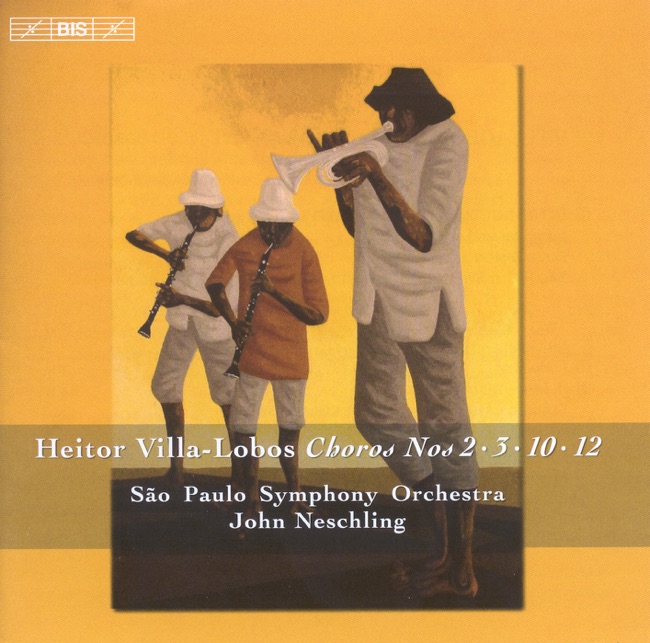
Composer:Heitor Villa-LobosGenre:OrchestralStyle:OrchestralCompose Date:1929Average_duration:35:17Chôros No. 12, A. 233 is a composition by Brazilian composer Heitor Villa-Lobos. It was composed in 1929 and premiered in Rio de Janeiro in the same year. The piece is divided into three movements and is approximately 25 minutes in length. The first movement, marked "Allegro," begins with a lively and rhythmic theme played by the woodwinds. This theme is then taken up by the strings and brass, creating a dense and complex texture. The movement features a number of contrasting sections, including a slower, more lyrical section in the middle. The movement ends with a return to the opening theme, played in a faster and more frenzied manner. The second movement, marked "Andante," is a more introspective and melancholic piece. It begins with a solo flute playing a haunting melody, which is then taken up by the strings. The movement features a number of solos for various instruments, including the clarinet and oboe. The overall mood of the movement is one of sadness and reflection. The final movement, marked "Allegro," is a lively and energetic piece that features a number of Brazilian rhythms and melodies. The movement begins with a fast and frenzied section played by the percussion, which is then joined by the rest of the orchestra. The movement features a number of solos for various instruments, including the guitar and saxophone. The piece ends with a triumphant and celebratory coda. Chôros No. 12 is a complex and challenging piece that showcases Villa-Lobos's unique blend of Brazilian folk music and European classical music. The piece features a wide range of textures and colors, and requires a large and diverse orchestra to perform. It is considered one of Villa-Lobos's most important works, and is a testament to his innovative and original approach to composition.More....
Works Music