Claudio Monteverdi
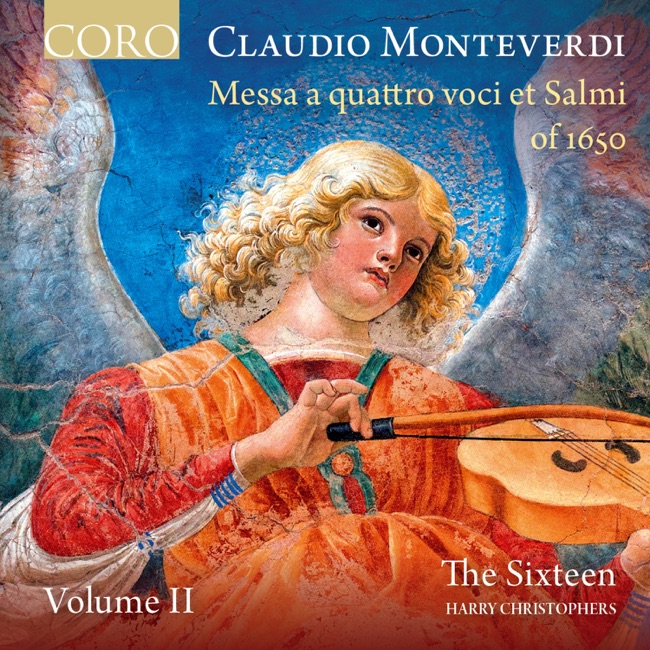
Lauda, Jerusalem, Dominum (II) (from Messa a quatro voci, et Salmi), SV 203
Released Album
Recent Album
Featured Album
Works Info
Composer:Claudio MonteverdiGenre:ChoralStyle:MotetCompose Date:ca. 1650Average_duration:6:02Claudio Monteverdi's 'Lauda, Jerusalem, Dominum (II)' is a sacred choral work that forms part of his 'Messa a quatro voci, et Salmi' (Mass for Four Voices and Psalms), SV 203. The piece was composed in the early 17th century, and its premiere is believed to have taken place in Venice, Italy, around 1650. The work is divided into two movements, with 'Lauda, Jerusalem, Dominum (II)' forming the second movement. The first movement is a Kyrie, while the second is a Gloria. 'Lauda, Jerusalem, Dominum (II)' is a setting of Psalm 147, which praises God for his goodness and mercy. The piece is characterized by its use of polyphony, which is a technique that involves multiple independent voices singing different melodies simultaneously. Monteverdi employs this technique to create a rich and complex texture that is both harmonically and rhythmically intricate. The opening of the piece features a lively and rhythmic section that is sung by the choir in unison. This is followed by a section in which the choir sings in four-part harmony, with each voice singing a different melody. The piece then moves into a more contemplative section, with the choir singing in a more subdued and reflective manner. Throughout the piece, Monteverdi makes use of various musical devices to create a sense of drama and tension. For example, he employs dissonance to create moments of musical tension, which are then resolved through the use of consonant harmonies. Overall, 'Lauda, Jerusalem, Dominum (II)' is a beautiful and complex choral work that showcases Monteverdi's mastery of polyphony and his ability to create music that is both emotionally powerful and intellectually stimulating.More....
Works Music
Released Music
1
6:35
2
Lauda, Jerusalem, Dominum (II) (from Messa a quatro voci, et Salmi), SV 203
Lauda jerusalem a5, SV 203
6:
3
5:49
4
6:18
5
5:47
Featured Music