Charles Ives
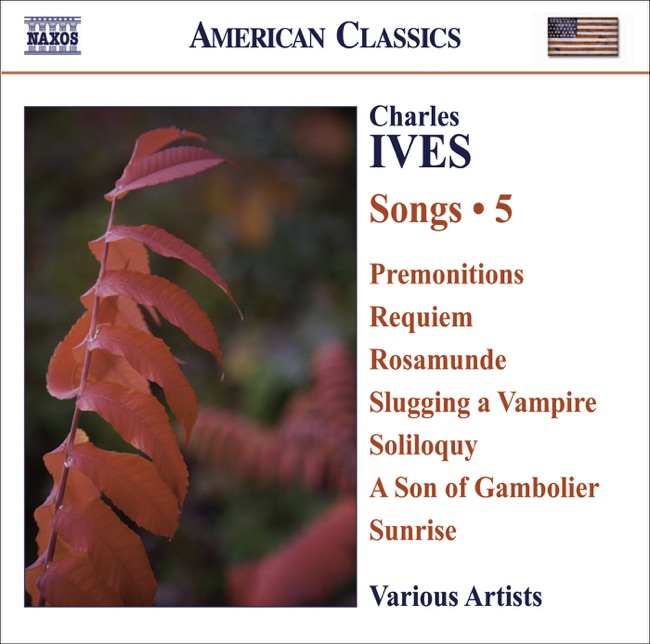
Requiem, S. 333
Released Album
Recent Album
Works Info
Composer:Charles IvesGenre:VocalStyle:RequiemCompose Date:Nov 1911Publication Date:1922First Performance:Mar 5, 1936Average_duration:2:18Charles Ives' Requiem, S. 333 is a choral work that was composed in 1900. The piece was premiered in 1922, after Ives had revised it extensively. The Requiem is divided into six movements, each with its own unique characteristics. The first movement, "Prelude," is a somber and mournful introduction to the piece. It features a slow, mournful melody that is played by the strings and then taken up by the choir. The movement sets the tone for the rest of the Requiem, which is a meditation on death and the afterlife. The second movement, "Kyrie," is a prayer for mercy. It begins with a solo soprano voice singing a plaintive melody, which is then taken up by the choir. The movement is characterized by its use of dissonance and chromaticism, which create a sense of tension and unease. The third movement, "Dies Irae," is a depiction of the Day of Judgment. It is a dramatic and intense movement that features a driving rhythm and powerful choral singing. The movement is characterized by its use of polyphony and complex harmonies, which create a sense of chaos and confusion. The fourth movement, "Offertory," is a meditation on the sacrifice of Christ. It is a quiet and contemplative movement that features a solo soprano voice singing a simple melody. The movement is characterized by its use of silence and space, which create a sense of stillness and peace. The fifth movement, "Sanctus," is a hymn of praise to God. It is a joyful and exuberant movement that features a lively rhythm and soaring choral singing. The movement is characterized by its use of syncopation and irregular meters, which create a sense of energy and excitement. The final movement, "Lux Aeterna," is a meditation on eternal life. It is a quiet and peaceful movement that features a solo soprano voice singing a serene melody. The movement is characterized by its use of consonance and simplicity, which create a sense of calm and tranquility. Overall, Charles Ives' Requiem, S. 333 is a powerful and moving work that explores themes of death, judgment, sacrifice, and eternal life. Its use of complex harmonies, polyphony, and irregular meters creates a sense of tension and unease, while its use of silence, space, and simplicity creates a sense of stillness and peace. The Requiem is a testament to Ives' skill as a composer and his ability to create music that is both challenging and deeply emotional.More....
Works Music
Released Music