Eugène Bozza
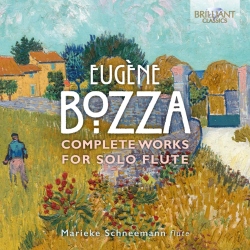
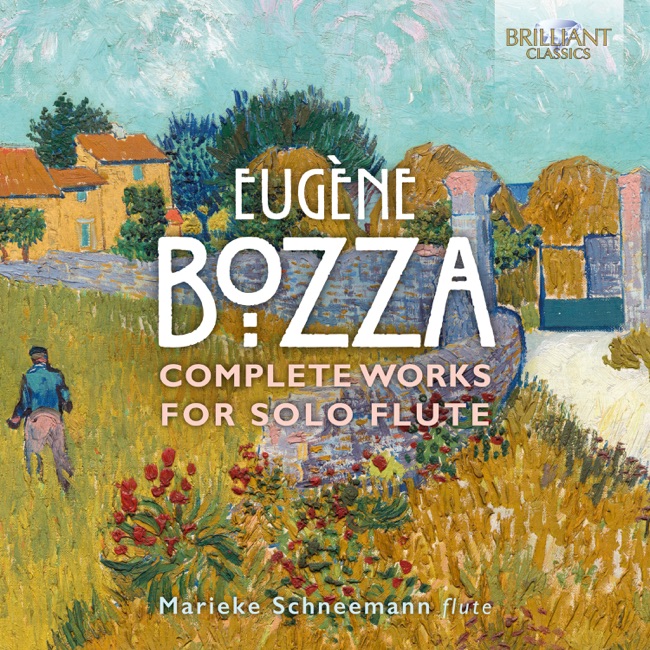
Phorbéia for flute
Released Album
Recent Album
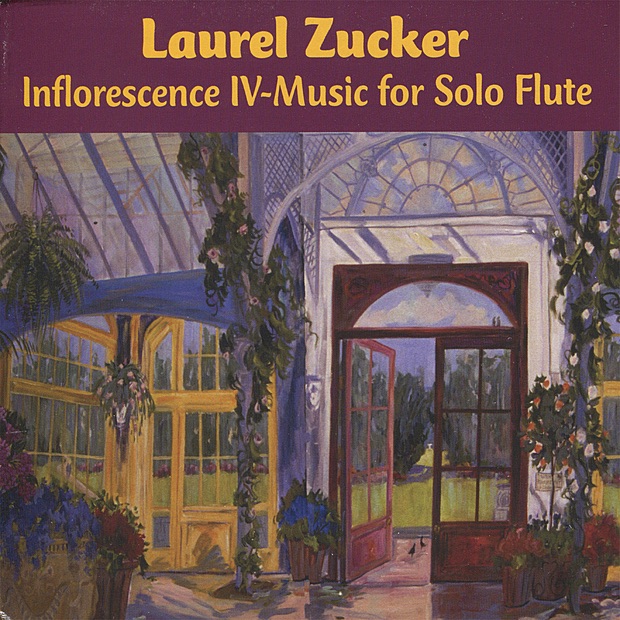
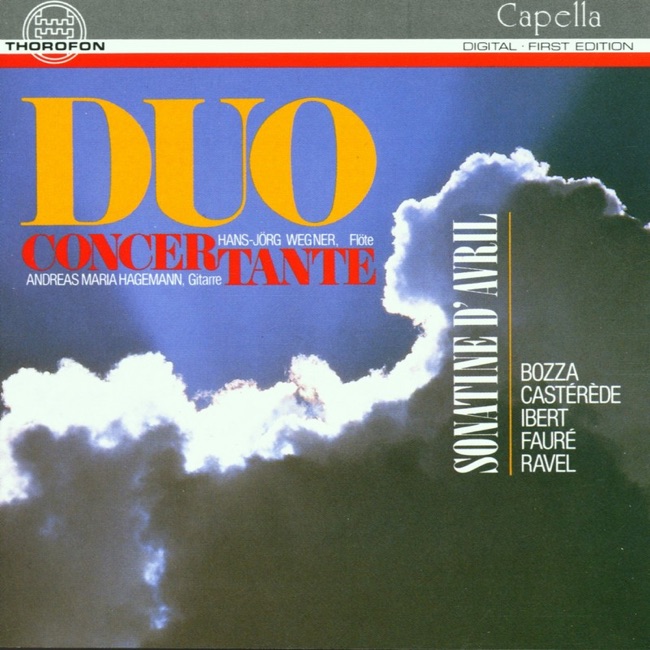
Works Info
Composer:Eugène BozzaGenre:ChamberStyle:Chamber MusicAverage_duration:5:19Phorbéia for flute is a solo piece composed by Eugène Bozza, a French composer and conductor, in 1941. The piece was premiered in Paris in the same year and has since become a staple in the flute repertoire. Phorbéia is a three-movement work that showcases the technical and expressive capabilities of the flute. The first movement, marked Allegro vivo, is a lively and energetic piece that features rapid runs and arpeggios. The second movement, marked Andante, is a lyrical and expressive piece that showcases the flute's ability to sing. The final movement, marked Allegro giocoso, is a playful and virtuosic piece that features intricate fingerwork and rapid articulation. Bozza's use of extended techniques, such as flutter-tonguing and harmonics, adds to the unique character of the piece. The use of these techniques, along with the challenging technical demands of the piece, make Phorbéia a popular choice for competitions and recitals. Overall, Phorbéia for flute is a challenging and expressive work that showcases the versatility of the flute. Its premiere in 1941 marked a significant contribution to the flute repertoire and it continues to be a beloved piece among flutists today.More....
Works Music
Released Music