Orlando Gibbons
O Thou, who at thy Eucharist did pray
Released Album
Recent Album
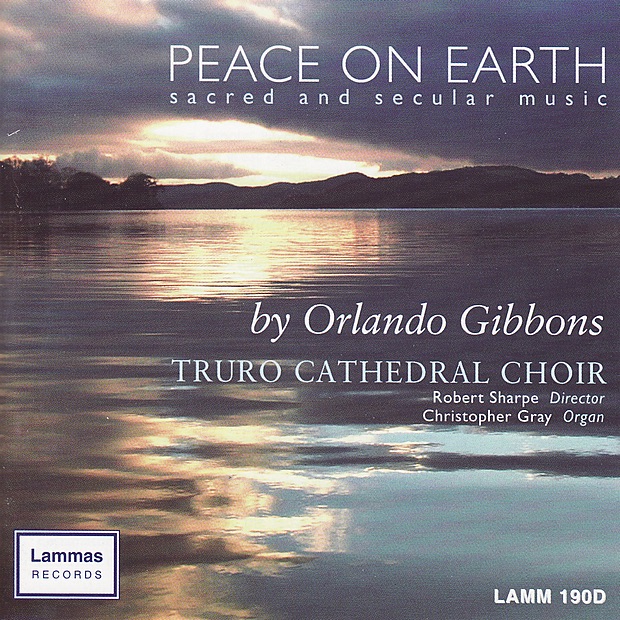
Featured Album
Works Info
Composer:Orlando GibbonsGenre:ChoralStyle:HymnAverage_duration:3:17'O Thou, who at thy Eucharist did pray' is a sacred choral work composed by Orlando Gibbons, an English composer of the Renaissance era. The piece was composed in the early 17th century, around 1623, and was first performed in the Chapel Royal at Whitehall Palace in London. The work is a setting of a hymn text by Robert Bridges, which is a prayer for spiritual communion with Christ during the Eucharist. The text is divided into four stanzas, each of which is set to music by Gibbons in a different way. The first and fourth stanzas are set as a simple four-part harmony, while the second and third stanzas are more complex, with imitative counterpoint and expressive harmonies. The piece is written in the key of G major and is scored for four-part choir and organ. It is divided into four movements, each corresponding to one of the stanzas of the text. The first movement is a simple homophonic setting of the first stanza, with the choir singing in unison for much of the time. The second movement is more complex, with the choir singing in imitative counterpoint and the organ providing a rich harmonic accompaniment. The third movement is the emotional heart of the piece, with the choir singing in a more expressive style and the organ providing a rich and varied accompaniment. The fourth and final movement returns to the simplicity of the first, with the choir singing in unison and the organ providing a simple harmonic accompaniment. Overall, 'O Thou, who at thy Eucharist did pray' is a beautiful and expressive choral work that showcases Gibbons' skill as a composer. Its use of expressive harmonies and imitative counterpoint make it a standout piece of Renaissance choral music, and its timeless message of spiritual communion with Christ continues to resonate with listeners today.More....
Works Music