Eduard Strauss
Carmen-Quadrille, Op. 134
Released Album
Recent Album

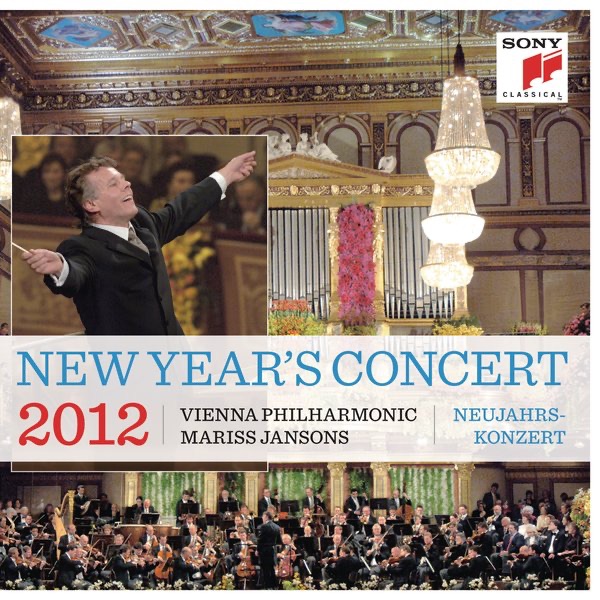
Works Info
Composer:Eduard StraussGenre:OrchestralStyle:QuadrilleAverage_duration:5:40The Carmen-Quadrille, Op. 134 is a composition by Eduard Strauss, the younger brother of Johann Strauss II. It was composed in 1885, and premiered on February 15, 1885, at the Redoutensaal in Vienna, Austria. The quadrille is based on themes from Georges Bizet's opera Carmen, which had premiered in Paris in 1875. The Carmen-Quadrille is divided into five movements, each of which is based on a different theme from the opera. The first movement, "Introduction," features the famous "Habanera" theme, which is played by the clarinet and then taken up by the full orchestra. The second movement, "Pas de Deux," is a waltz that features the love theme from the opera. The third movement, "Toreador," is a march that features the "Toreador Song" from the opera. The fourth movement, "Seguidilla," is a lively dance that features the "Seguidilla" from the opera. The final movement, "Finale," brings all of the themes together in a rousing conclusion. The Carmen-Quadrille is characterized by its lively rhythms, catchy melodies, and colorful orchestration. Eduard Strauss was known for his skill in orchestration, and he uses the full range of the orchestra to create a rich and vibrant sound. The quadrille was a popular dance form in the 19th century, and the Carmen-Quadrille was one of many quadrilles that Eduard Strauss composed during his career. Overall, the Carmen-Quadrille is a lively and entertaining piece of music that captures the spirit of Bizet's opera. It remains a popular piece in the repertoire of Viennese waltz orchestras and is often performed at balls and other social events.More....
Works Music