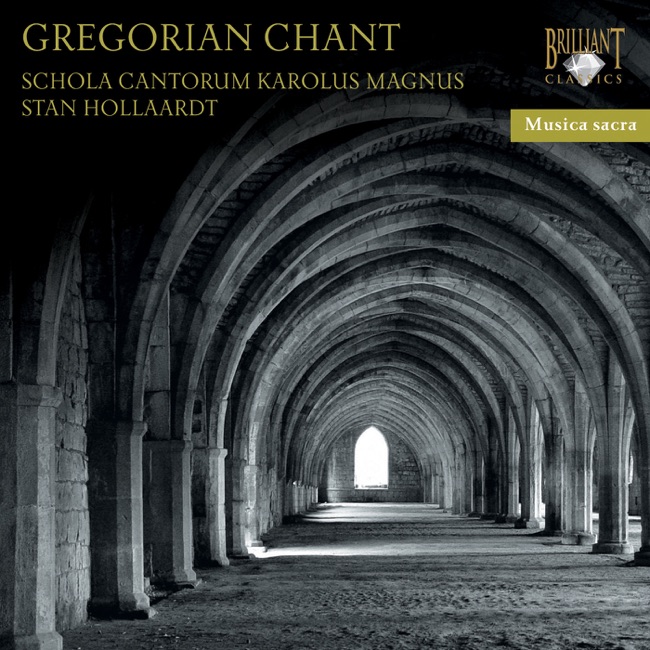
Gregorian Chant
Gloria more ambrosiano
Released Album
Recent Album
Works Info
Composer:Gregorian ChantGenre:ChoralStyle:ChoralAverage_duration:2:21"Gloria more ambrosiano" is a Gregorian chant that is believed to have been composed in the 4th century. It is a hymn of praise to God and is typically sung during the Mass. The chant is named after St. Ambrose, the Bishop of Milan, who is credited with introducing it into the liturgy. The chant is divided into three movements, each with its own distinct characteristics. The first movement is a joyful and exuberant expression of praise, with the choir singing in unison and the melody rising and falling in a series of graceful arcs. The second movement is more subdued, with the choir singing in a lower register and the melody taking on a more contemplative tone. The third movement is a return to the joyful and exuberant tone of the first, with the choir singing in unison and the melody rising and falling in a series of graceful arcs. The characteristics of "Gloria more ambrosiano" are typical of Gregorian chant. The melody is simple and unadorned, with no instrumental accompaniment. The choir sings in unison, with no harmonies or counterpoint. The rhythm is free-flowing, with no strict time signature. The text is in Latin, and the pronunciation and phrasing are carefully controlled to emphasize the meaning of the words. The premiere of "Gloria more ambrosiano" is not known, as it was likely sung in the liturgy of the early Christian church without being written down. However, the chant has been passed down through the centuries and is still sung today in churches around the world. Its enduring popularity is a testament to the power and beauty of Gregorian chant, and to the enduring appeal of music that is simple, unadorned, and deeply spiritual.More....