Samuel Sebastian Wesley
Evening Canticles in E
Released Album
Recent Album
Works Info
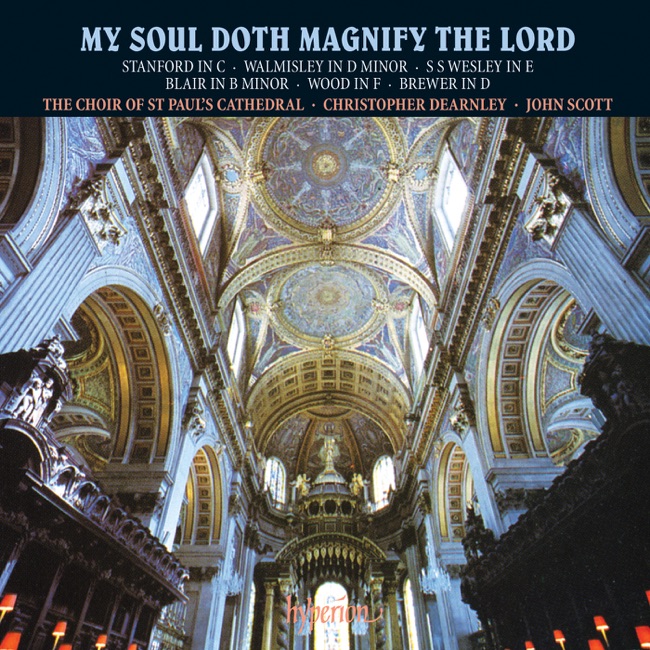
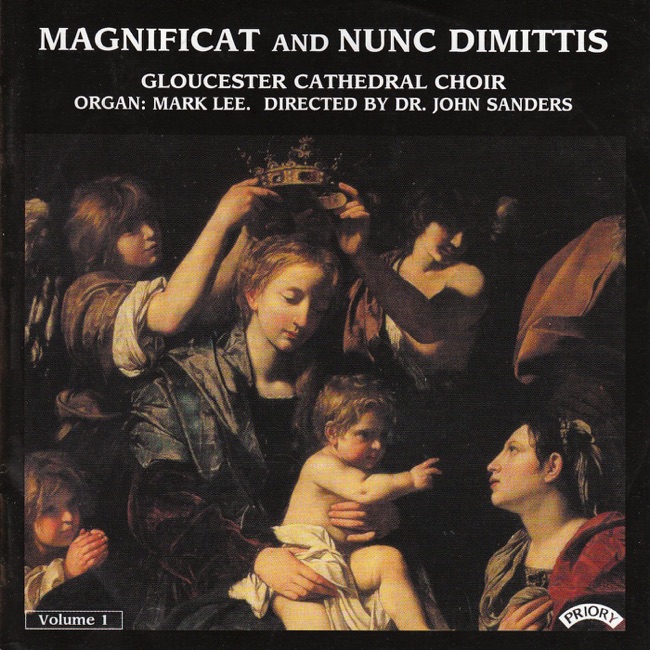
Composer:Samuel Sebastian WesleyGenre:ChoralStyle:HymnCompose Date:1841 - 1844Average_duration:12:32Movement_count:2Movement ....The Evening Canticles in E is a choral work composed by Samuel Sebastian Wesley, an English organist and composer, in 1849. It was premiered at Hereford Cathedral on October 3, 1849, during the Three Choirs Festival. The work consists of three movements: Magnificat, Nunc Dimittis, and Gloria Patri. The Magnificat is a setting of the Song of Mary, while the Nunc Dimittis is a setting of the Song of Simeon. The Gloria Patri is a short doxology that concludes both the Magnificat and Nunc Dimittis. The Evening Canticles in E is characterized by its grandeur and complexity. Wesley's use of harmony and counterpoint creates a rich and intricate texture that is both powerful and expressive. The work also features a wide range of dynamics, from the soft and delicate to the loud and majestic. The Magnificat begins with a gentle and flowing melody in the soprano voices, which is then taken up by the full choir. The music builds in intensity as the choir sings of God's mercy and power. The Nunc Dimittis, on the other hand, is more subdued, with a mournful melody that reflects Simeon's resignation to death. The Gloria Patri is a triumphant conclusion to both movements, with a bold and majestic melody that celebrates the glory of God. Overall, the Evening Canticles in E is a masterful work that showcases Wesley's skill as a composer. Its grandeur and complexity make it a challenging piece for choirs to perform, but its beauty and power make it a beloved work in the Anglican choral tradition.More....