Ivor Atkins
Magnificat in G
Released Album
Recent Album
Works Info
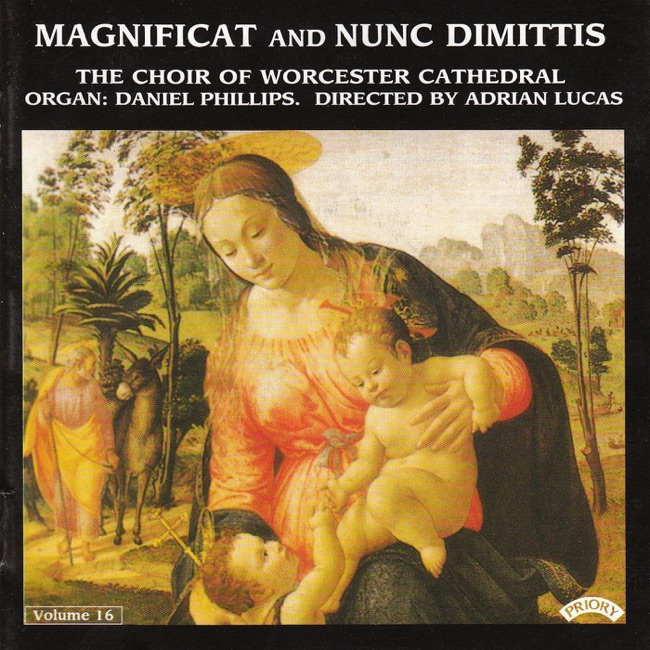
Composer:Ivor AtkinsStyle:MagnificatAverage_duration:7:10Ivor Atkins' "Magnificat in G" is a choral work that was composed in the early 20th century. The piece was premiered in 1916 at the Worcester Cathedral in England, where Atkins served as the organist and choirmaster. The "Magnificat in G" is a setting of the Magnificat, a hymn of praise to the Virgin Mary, which is traditionally sung during the evening prayer service in the Christian liturgy. The "Magnificat in G" is divided into five movements, each of which corresponds to a different section of the Magnificat text. The first movement, "Magnificat anima mea Dominum," is a joyful and exuberant setting of the opening lines of the hymn. The second movement, "Et exultavit spiritus meus," is a more subdued and introspective section that reflects on the blessings of God. The third movement, "Quia respexit humilitatem," is a gentle and tender setting of the text that emphasizes the humility of Mary. The fourth movement, "Quia fecit mihi magna," is a lively and energetic section that celebrates the greatness of God's works. The final movement, "Sicut erat in principio," is a triumphant and majestic setting of the closing lines of the hymn, which reaffirms the glory of God. The "Magnificat in G" is characterized by its rich harmonies, lush textures, and expressive melodies. Atkins' use of choral counterpoint and intricate vocal lines creates a sense of depth and complexity in the music, while his use of dynamic contrasts and rhythmic variation adds drama and excitement to the piece. Overall, the "Magnificat in G" is a powerful and moving work that showcases Atkins' skill as a composer and his deep devotion to the Christian faith.More....