Gaelic Traditional
Morning has broken (Bunessan)
Released Album
Recent Album
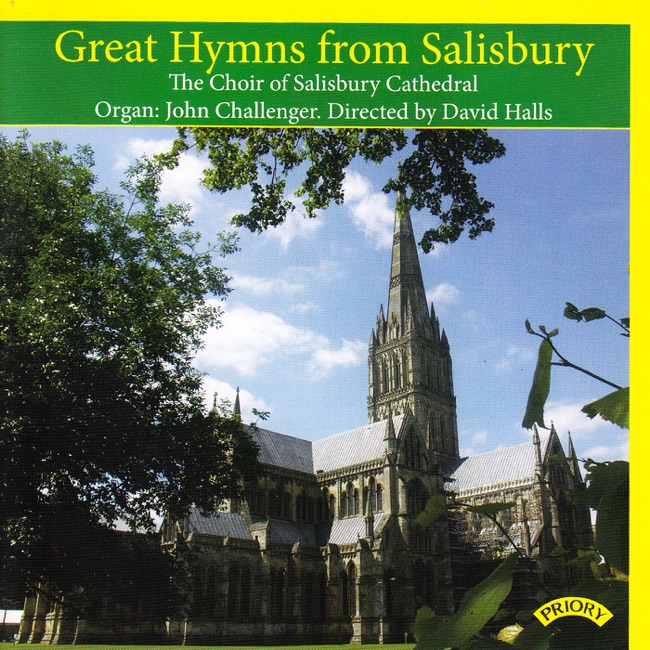

Featured Album
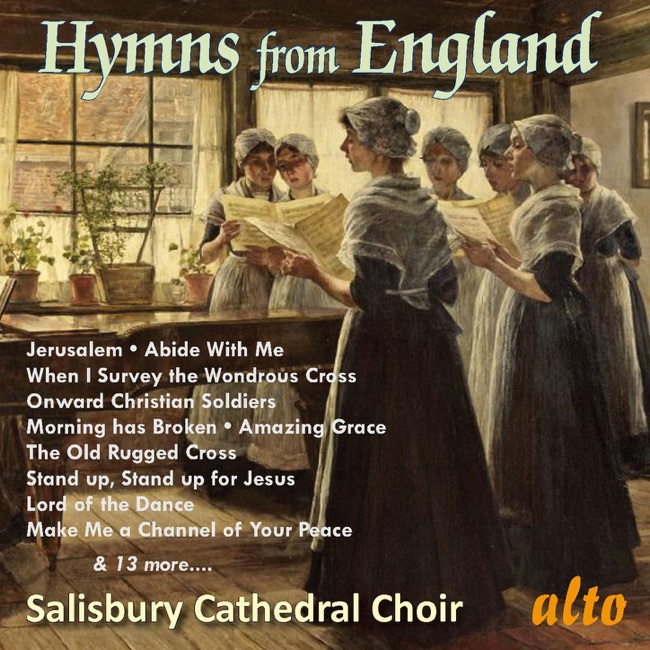
Works Info
Composer:Gaelic TraditionalGenre:VocalAverage_duration:2:06'Morning has broken (Bunessan)' is a traditional Gaelic hymn that has been sung for centuries. The exact date of its composition is unknown, but it is believed to have originated in the Scottish village of Bunessan in the late 19th century. The hymn was first published in the hymnal 'Songs of Praise' in 1931 and gained widespread popularity after being recorded by Cat Stevens in 1971. The hymn is typically performed in three movements, with each movement building on the previous one. The first movement is slow and contemplative, with a simple melody that gradually builds in intensity. The second movement is more upbeat and joyful, with a faster tempo and more complex harmonies. The final movement is a triumphant crescendo, with the choir and congregation joining together in a powerful chorus. One of the most distinctive characteristics of 'Morning has broken (Bunessan)' is its use of nature imagery to convey spiritual themes. The hymn begins with the line "Morning has broken like the first morning," which evokes the beauty and freshness of a new day. Throughout the hymn, the natural world is used as a metaphor for God's love and grace, with references to "the blackbird has spoken like the first bird" and "the dew on the grass like the fall of the fresh snow." Another notable feature of the hymn is its use of repetition and call-and-response. The chorus, which repeats the phrase "Praise for the singing, praise for the morning," is designed to be sung by the entire congregation, creating a sense of unity and community. Overall, 'Morning has broken (Bunessan)' is a timeless hymn that continues to inspire and uplift people of all faiths. Its simple yet powerful melody and evocative lyrics make it a beloved classic that will be sung for generations to come.More....
Works Music
Released Music

Featured Music