


Charles Wuorinen
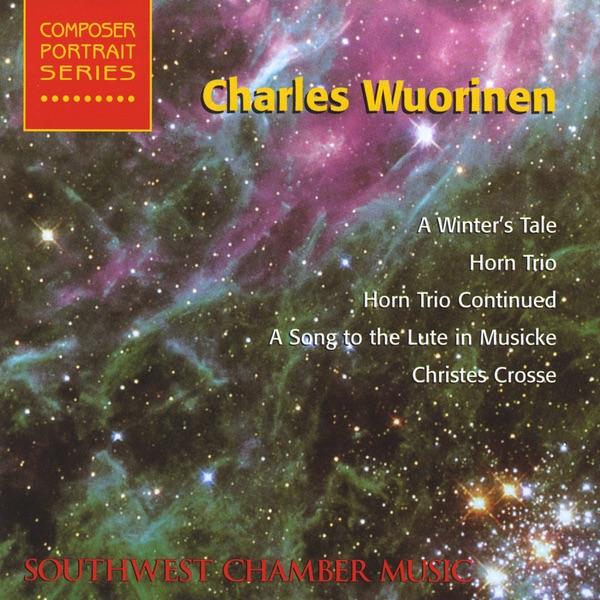
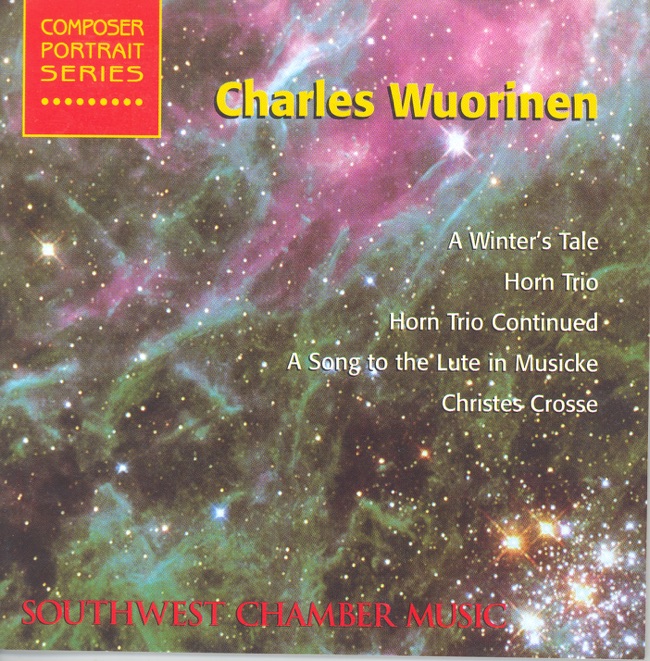
A Song to the Lute in Musicke
Released Album
Recent Album
Works Info
Composer:Charles WuorinenGenre:VocalStyle:SongCompose Date:1969 - 1970Average_duration:3:47"A Song to the Lute in Musicke" is a contemporary classical composition by Charles Wuorinen, an American composer known for his use of complex musical structures and techniques. The piece was composed in 1970 and premiered on May 6, 1971, at the New York Philharmonic's Horizons '71 festival. The composition consists of three movements, each of which is based on a different text from the Elizabethan era. The first movement, "A Song to the Lute in Musicke," is based on a poem by William Alabaster and features a solo lute accompanied by a small ensemble of strings and winds. The second movement, "The Phoenix and the Turtle," is based on a poem by William Shakespeare and features a larger ensemble of strings, winds, and percussion. The final movement, "The Silver Swan," is based on a madrigal by Orlando Gibbons and features a solo soprano accompanied by a small ensemble of strings and winds. One of the characteristics of "A Song to the Lute in Musicke" is its use of complex musical structures and techniques. Wuorinen employs a technique called "total chromaticism," which involves using all twelve notes of the chromatic scale in a given piece of music. This creates a sense of dissonance and tension that is characteristic of much of Wuorinen's work. Another characteristic of the piece is its incorporation of Renaissance-era texts and musical styles. Wuorinen was interested in exploring the relationship between contemporary music and the music of the past, and "A Song to the Lute in Musicke" reflects this interest. The use of the lute and the incorporation of Elizabethan texts give the piece a sense of historical depth and context. Overall, "A Song to the Lute in Musicke" is a challenging and complex piece of music that reflects Wuorinen's interest in exploring the boundaries of contemporary classical music. Its use of complex structures and techniques, combined with its incorporation of Renaissance-era texts and musical styles, make it a unique and compelling work that continues to be performed and studied today.More....
Works Music
Released Music
2
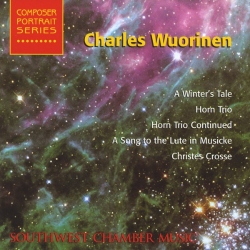
3:56
3
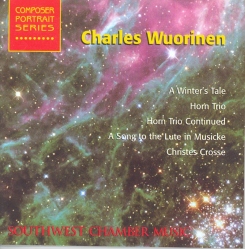
4:8