Gregorian Chant
Imitator Saluatoris (Imitating the Saviour)
Released Album
Recent Album
Works Info
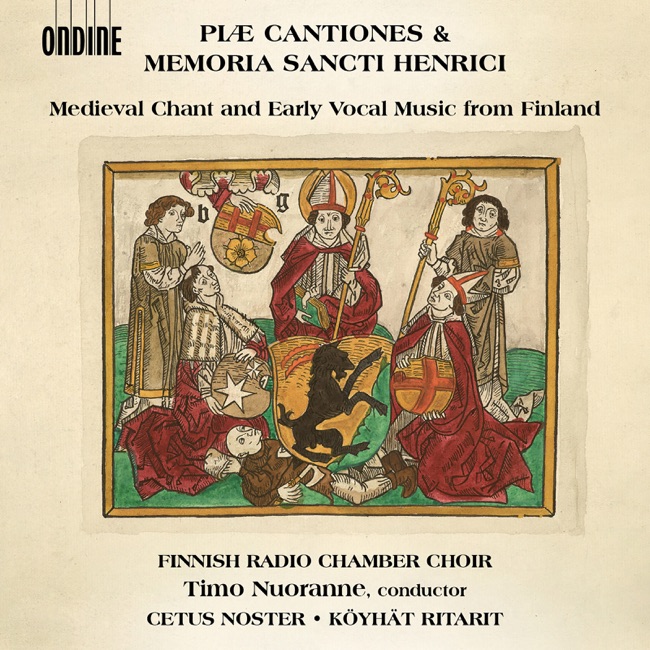
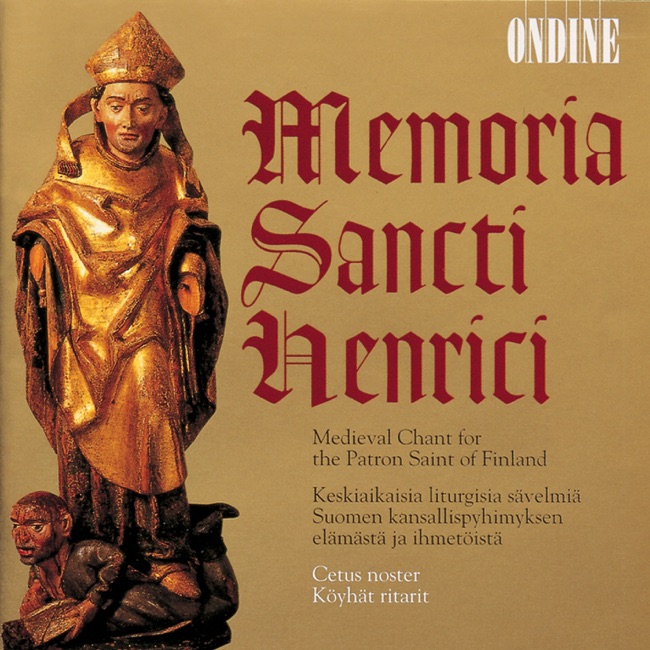
Composer:Gregorian ChantGenre:ChoralAverage_duration:2:57Imitator Saluatoris, also known as Imitating the Saviour, is a Gregorian chant that was composed during the medieval period. The exact date of its composition is unknown, but it is believed to have been written sometime between the 9th and 11th centuries. The chant is typically performed during the liturgical season of Lent, and it is often used as a meditation on the suffering and sacrifice of Jesus Christ. The chant is divided into several movements, each of which has its own unique characteristics. The first movement is a simple melody that sets the tone for the rest of the piece. It is slow and mournful, with a sense of longing and sadness. The second movement is more complex, with a faster tempo and more intricate harmonies. This section is meant to represent the struggle and pain of Christ's crucifixion. The third movement is a return to the simpler melody of the first movement, but with a sense of hope and redemption. This section is meant to represent the resurrection of Christ and the promise of eternal life. The final movement is a repetition of the first, but with a sense of triumph and joy. This section is meant to represent the victory of Christ over death and the celebration of his resurrection. Overall, Imitator Saluatoris is a powerful and moving piece of music that has been performed and appreciated for centuries. Its haunting melodies and intricate harmonies continue to inspire and uplift listeners today, making it a timeless masterpiece of Gregorian chant.More....
Works Music