Antoine Forqueray
Suite for 3 viols (attributed)
Released Album
Recent Album
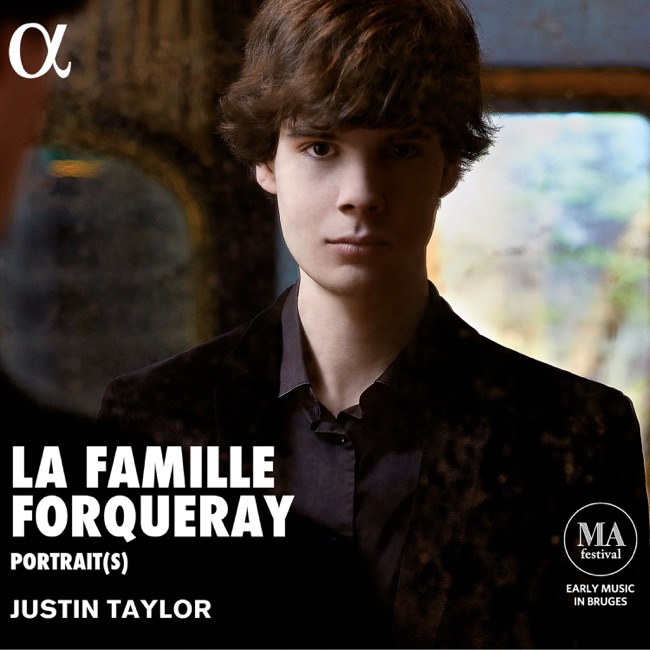
Featured Album
Works Info
Composer:Antoine ForquerayGenre:ChamberAverage_duration:10:58Antoine Forqueray's 'Suite for 3 viols (attributed)' is a Baroque composition that is believed to have been composed in the early 18th century. The exact date of composition is unknown, but it is believed to have been written sometime between 1700 and 1725. The suite consists of six movements, each with its own unique characteristics and style. The suite was first premiered in France, where Forqueray was a prominent musician and composer. It was likely performed in a chamber music setting, with three viol players playing the different parts. The suite was well-received by audiences and critics alike, and it quickly became a popular piece in the Baroque repertoire. The first movement of the suite is a prelude, which sets the tone for the rest of the piece. It is a slow, melancholic piece that showcases Forqueray's skill at creating beautiful, expressive melodies. The second movement is a lively allemande, which features intricate counterpoint and a playful, dance-like rhythm. The third movement is a courante, which is characterized by its fast, flowing rhythm and intricate ornamentation. The fourth movement is a sarabande, which is a slow, stately dance that is often used in Baroque music to convey a sense of grandeur and elegance. The fifth movement is a gigue, which is a fast, lively dance that is often used to close out Baroque suites. Forqueray's gigue is particularly lively and energetic, with intricate rhythms and playful melodies. The final movement of the suite is a chaconne, which is a type of dance that features a repeating chord progression. Forqueray's chaconne is a complex and intricate piece that showcases his skill at creating intricate harmonies and counterpoint. Overall, Forqueray's 'Suite for 3 viols (attributed)' is a beautiful and complex piece of Baroque music that showcases the composer's skill at creating intricate melodies, harmonies, and rhythms. Its popularity has endured for centuries, and it remains a beloved piece in the Baroque repertoire.More....
Works Music
Released Music
Featured Music