


Frédéric Chopin
Etude for piano No. 19 in C sharp minor, Op. 25/7
Released Album
Recent Album
-
-
-

-
-
-
 Alexander ZelenskyJuly 2, 2022
 -
 Alexander ZelenskyJuly 2, 2022
 -
-
 Alexander ZelenskyJune 15, 2022
 -
 Александр ЗеленскийJune 15, 2022
 -
 Alexander ZelenskyJune 15, 2022
 -
 Alexander ZelenskyJune 15, 2022
Featured Album


Works Info
Composer:Frédéric ChopinGenre:KeyboardStyle:EtudeCompose Date:1835 - 1837Publication Date:1837Average_duration:5:33Frédéric Chopin's Etude for piano No. 19 in C sharp minor, Op. 25/7, also known as the "Cello" Etude, was composed in 1834 and premiered in Paris the same year. The piece is part of a set of 24 etudes, Op. 25, which Chopin composed between 1832 and 1836. The etude is in a ternary form, with a fast and virtuosic outer section and a slower and more lyrical middle section. The piece is characterized by its use of arpeggios and broken chords, which are played with great speed and precision. The left hand plays a continuous stream of eighth notes, while the right hand plays a melody that is often doubled by the left hand in octaves. The opening section of the etude is marked "presto con fuoco" (very fast and with fire), and it begins with a series of ascending arpeggios in the right hand. The left hand plays a rapid accompaniment of broken chords, which creates a sense of urgency and intensity. The middle section of the etude is marked "lento" (slowly), and it features a more lyrical melody that is played in the right hand. The left hand provides a simple accompaniment of chords, which creates a sense of calm and introspection. The final section of the etude returns to the opening material, but with some variations. The arpeggios are played with even greater speed and intensity, and the left hand accompaniment becomes more complex. The piece ends with a flourish of ascending arpeggios in both hands, which brings the etude to a thrilling conclusion. Overall, Chopin's Etude for piano No. 19 in C sharp minor, Op. 25/7, is a virtuosic and technically demanding piece that showcases the composer's mastery of the piano. Its use of arpeggios and broken chords creates a sense of urgency and intensity, while its lyrical middle section provides a moment of calm and introspection. The piece remains a popular choice for pianists today, and it continues to be admired for its technical brilliance and emotional depth.More....
Works Music
Released Music
1
5:10
3

Etude for piano No. 19 in C sharp minor, Op. 25/7
Etudes, Op. 25: No. 7 in C sharp minor. Lento
5:10
4
5:7
5
5:7
6
5:7
7
5:7
8
5:7
9
5:7
10
5:7
Featured Music
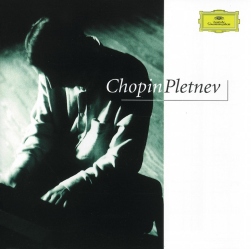

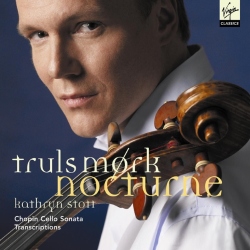
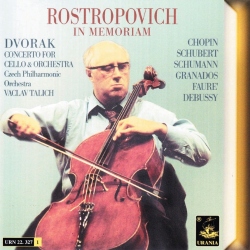
5
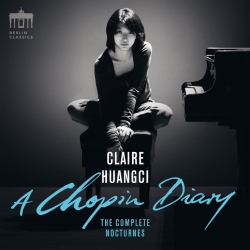
Etude for piano No. 19 in C sharp minor, Op. 25/7
Étude in in C-Sharp Minor, Op. 25, No.7: Lento
5:33
6

Etude for piano No. 19 in C sharp minor, Op. 25/7
Étude No. 7 in C sharp minor "Cello", Op. 25/7
5:28