Franz Schubert
Blanka, D. 631
Released Album
Recent Album

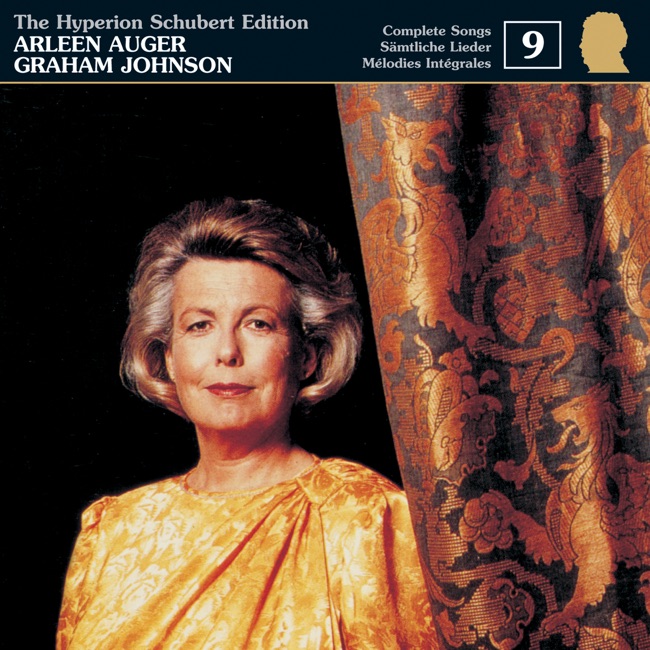
Works Info
Composer:Franz SchubertGenre:VocalStyle:SongCompose Date:Dec 1818Average_duration:2:10"Blanka, D. 631" is a song composed by Franz Schubert in 1818. It was premiered in Vienna in the same year. The song is part of Schubert's vast collection of lieder, or art songs, which he composed throughout his career. The song is set to a poem by Johann Mayrhofer, a frequent collaborator of Schubert's. The poem tells the story of a young woman named Blanka who is mourning the loss of her lover. The song is divided into three distinct sections, or movements, each of which reflects a different aspect of Blanka's emotional journey. The first movement is marked "Andante con moto" and is characterized by a mournful, melancholic melody. The piano accompaniment is sparse and understated, allowing the singer's voice to take center stage. The lyrics describe Blanka's grief and her longing for her lost love. The second movement is marked "Allegro vivace" and is more upbeat and energetic than the first. The melody is more complex and the piano accompaniment is more active. The lyrics describe Blanka's memories of her lover and the joy they shared together. The third and final movement is marked "Andante" and returns to the mournful, melancholic tone of the first. The melody is simple and repetitive, underscoring Blanka's sense of resignation and acceptance. The lyrics describe Blanka's realization that her lover is truly gone and her acceptance of her own mortality. Overall, "Blanka, D. 631" is a powerful and emotional song that showcases Schubert's skill as a composer of lieder. The song's three distinct movements reflect the different stages of Blanka's emotional journey, and the melody and lyrics work together to create a haunting and unforgettable musical experience.More....