Johann Ludwig Krebs
Fugue for organ in B flat major
Released Album
Recent Album
Works Info
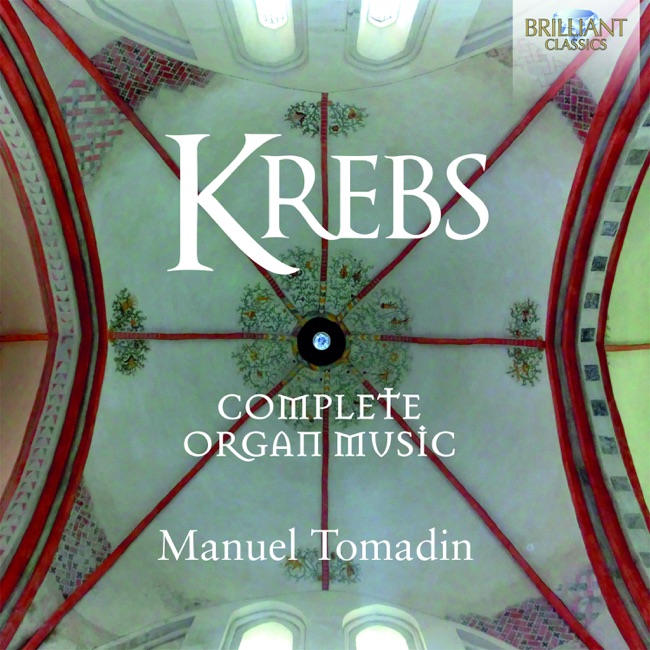
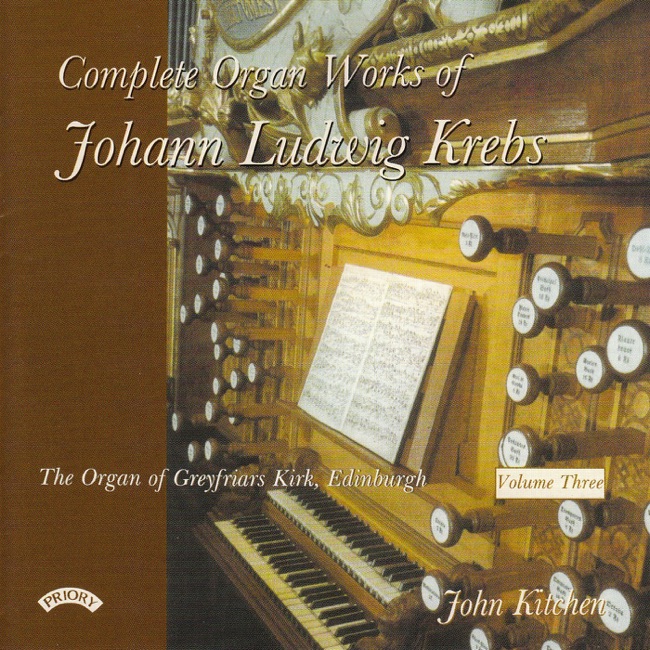
Composer:Johann Ludwig KrebsStyle:FugueAverage_duration:2:20Johann Ludwig Krebs was a German composer and organist who lived from 1713 to 1780. He was a student of Johann Sebastian Bach and served as an organist in various churches throughout his career. One of his most famous works is the Fugue for organ in B flat major. The Fugue for organ in B flat major was composed by Krebs in the mid-18th century. The exact date of composition is unknown, but it is believed to have been written sometime between 1740 and 1750. The piece is a single movement work that is approximately six minutes in length. The Fugue for organ in B flat major is characterized by its use of counterpoint and its adherence to the principles of Baroque music. The piece begins with a simple theme that is introduced by the organ. This theme is then repeated and developed throughout the piece, with different voices entering and exiting at various points. The fugue is structured in a traditional manner, with an exposition, development, and recapitulation. The exposition introduces the theme and presents it in various voices. The development section explores the theme further, with different voices playing off of each other and creating complex harmonies. The recapitulation brings the piece full circle, with the theme returning in its original form. One of the most notable characteristics of the Fugue for organ in B flat major is its use of pedal tones. These are sustained notes played by the organ's pedals that provide a foundation for the rest of the music. Krebs uses pedal tones throughout the piece to create a sense of stability and grounding. Overall, the Fugue for organ in B flat major is a masterful example of Baroque music. Its use of counterpoint, adherence to traditional forms, and skillful use of pedal tones make it a favorite among organists and music lovers alike.More....
Works Music
Released Music