


Antonio Vandini
Sonata for cello & continuo in C major [i] (Mss. It.IV.1095, Biblioteca Nazionale Marciana)
Released Album
Recent Album
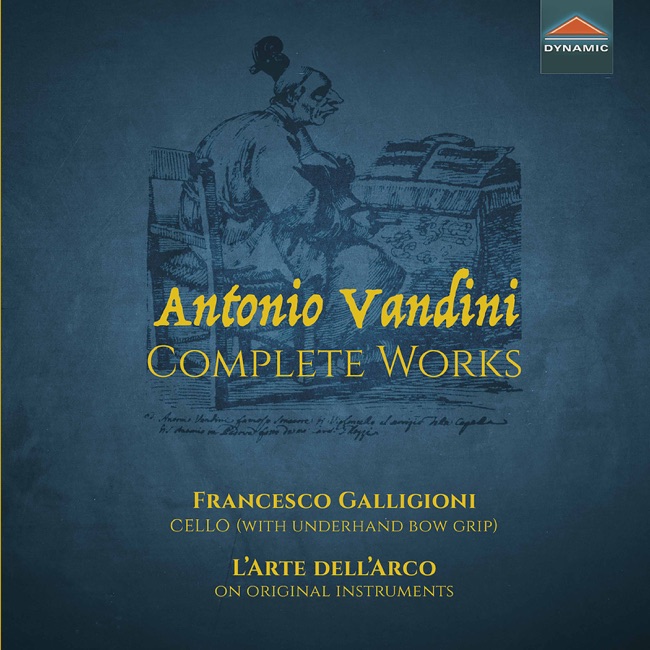
Featured Album
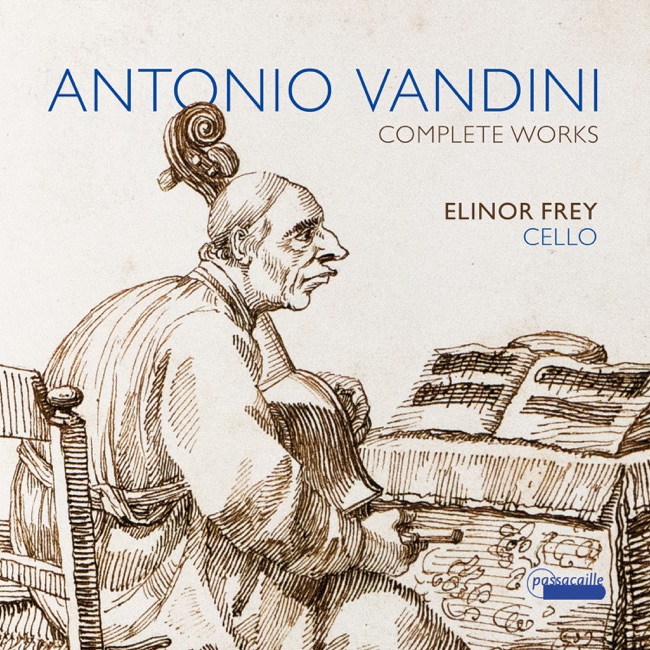
Works Info
Composer:Antonio VandiniGenre:ChamberCompose Date:May, 1717Average_duration:05:43Movement_count:2Movement ....The "Sonata for cello & continuo in C major [i]" is a remarkable composition by the Italian composer Antonio Vandini. Although the exact date of its composition remains uncertain, it is believed to have been written during the early 18th century. The sonata was discovered in the Mss. It.IV.1095 collection, housed in the prestigious Biblioteca Nazionale Marciana.$$$This sonata is divided into three movements, adhering to the traditional fast-slow-fast structure commonly found in Baroque sonatas. The first movement, marked Allegro, is characterized by its lively and energetic nature. It showcases Vandini's mastery in crafting melodic lines that are both virtuosic and expressive. The cello takes center stage, engaging in a spirited dialogue with the continuo, which typically consists of a harpsichord and a bass instrument such as a cello or a viola da gamba.$$$The second movement, marked Adagio, provides a stark contrast to the preceding Allegro. It is a slow and introspective movement, allowing the performer to explore the emotional depth of the composition. Vandini's use of rich harmonies and poignant melodies creates a sense of melancholy and introspection. The cello's lyrical lines are accompanied by the continuo, which provides a delicate and supportive backdrop.$$$The final movement, marked Allegro, returns to the lively and spirited character of the opening movement. It is a joyful and exuberant finale, showcasing Vandini's skill in crafting intricate and virtuosic passages for the cello. The interplay between the cello and the continuo creates a sense of excitement and anticipation, culminating in a thrilling conclusion.$$$Overall, Vandini's "Sonata for cello & continuo in C major [i]" is a testament to his mastery as a composer and his deep understanding of the cello as a solo instrument. The sonata's three movements, with their contrasting moods and technical demands, demonstrate Vandini's ability to create a captivating musical journey for both the performer and the listener. This composition stands as a testament to Vandini's contribution to the Baroque era and his lasting influence on cello repertoire.More....
Works Music
Released Music
Featured Music
1
1:42
2
2:17
3
1:43