Jeanne Demessieux
Meditations (7)
Released Album
Recent Album
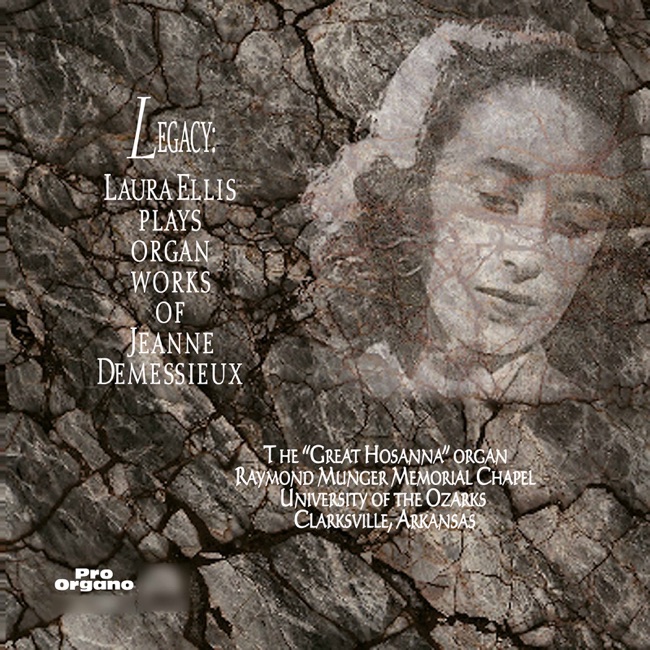
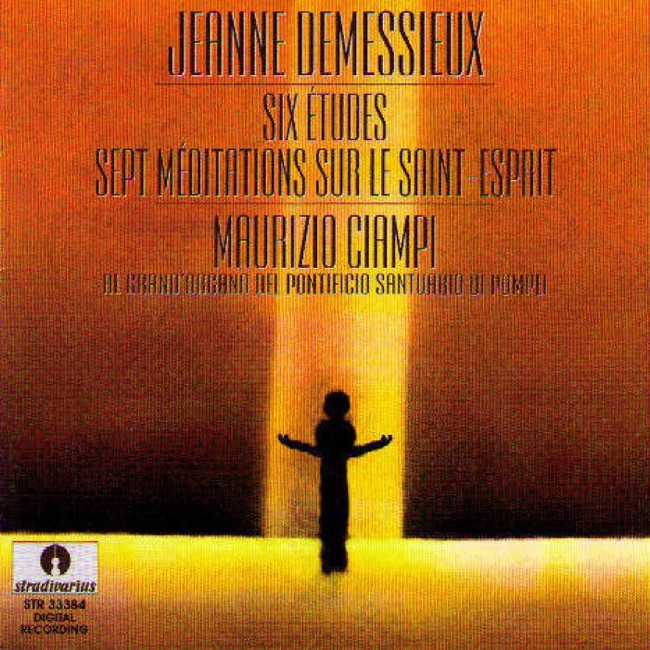
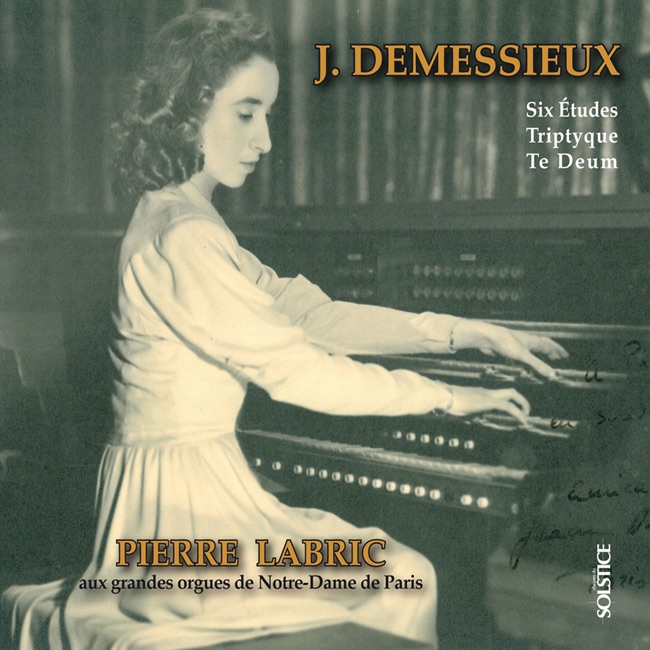
Works Info
Composer:Jeanne DemessieuxGenre:KeyboardStyle:KeyboardAverage_duration:40:38Movement_count:7Movement ....Jeanne Demessieux was a French organist and composer who lived from 1921 to 1968. She was known for her virtuosic performances and compositions for the organ, and her works are still performed and admired today. One of her most famous works is "Meditations (7)", a collection of seven pieces for organ that showcase her skill and creativity. "Meditations (7)" was composed in 1961, and it premiered the same year at the Saint-Eustache Church in Paris. The work is divided into seven movements, each with its own unique character and mood. The movements are as follows: 1. "Prelude": This movement is marked "moderato" and begins with a gentle, flowing melody in the upper register of the organ. The melody is then repeated in the lower register, creating a sense of depth and richness. The movement builds to a climax before fading away into the next movement. 2. "Adagio": This movement is marked "adagio" and is a slow, contemplative piece. The melody is simple and repetitive, with subtle variations and ornamentation. The movement is meant to evoke a sense of peace and tranquility. 3. "Allegro": This movement is marked "allegro" and is a lively, energetic piece. The melody is playful and rhythmic, with a sense of joy and celebration. The movement is a contrast to the previous two, and serves to lift the mood and energy of the work. 4. "Andante": This movement is marked "andante" and is a slow, mournful piece. The melody is haunting and melancholy, with a sense of sadness and loss. The movement is meant to evoke a sense of reflection and introspection. 5. "Allegretto": This movement is marked "allegretto" and is a light, playful piece. The melody is bouncy and cheerful, with a sense of whimsy and fun. The movement is a contrast to the previous one, and serves to lift the mood and energy of the work once again. 6. "Lento": This movement is marked "lento" and is a slow, solemn piece. The melody is simple and repetitive, with a sense of reverence and awe. The movement is meant to evoke a sense of spirituality and contemplation. 7. "Final": This movement is marked "allegro" and is a fast, energetic piece. The melody is triumphant and celebratory, with a sense of joy and exuberance. The movement serves as a fitting conclusion to the work, bringing it to a thrilling and satisfying close. Overall, "Meditations (7)" is a masterful work that showcases Jeanne Demessieux's skill and creativity as a composer. The seven movements each have their own unique character and mood, creating a rich and varied musical experience for the listener. The work is still performed and admired today, and is a testament to Demessieux's enduring legacy as a composer and organist.More....
Works Music
Released Music