Gaetano Donizetti
Requiem in D minor
Released Album
Recent Album

Works Info
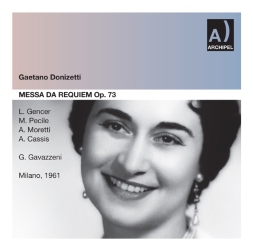
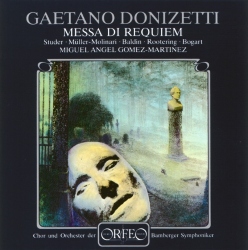
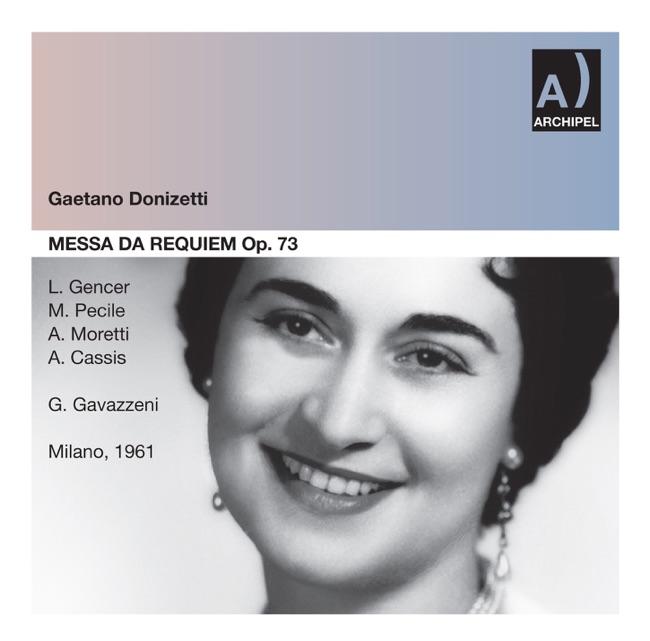
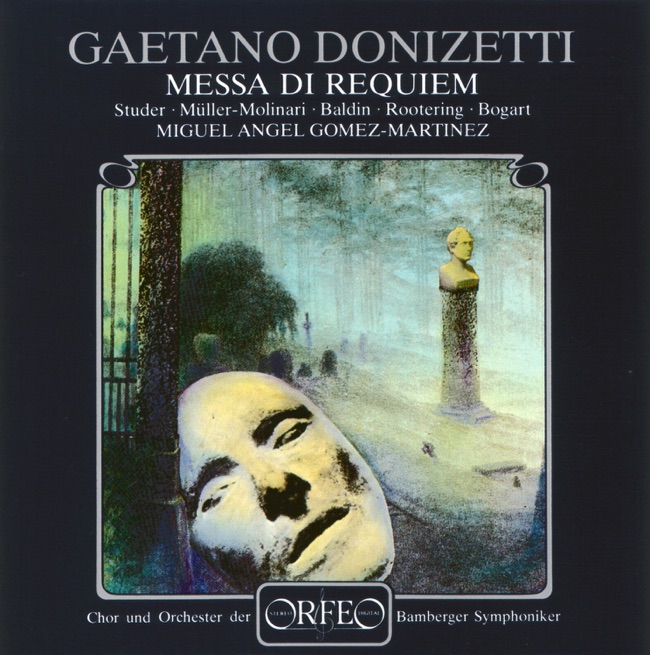
Composer:Gaetano DonizettiGenre:ChoralStyle:RequiemCompose Date:1835Average_duration:67:41Gaetano Donizetti's Requiem in D minor was composed in 1835, and premiered on January 22, 1836, in the church of San Carlo al Corso in Milan. The work is divided into seven movements, each with its own unique characteristics. The first movement, "Requiem aeternam," begins with a somber and mournful choral introduction, followed by a solo soprano singing the opening text. The movement is characterized by its use of chromaticism and dissonance, which create a sense of tension and unease. The second movement, "Dies irae," is the most dramatic and intense of the seven. It features a powerful choral section, with the choir singing the famous Latin text "Dies irae, dies illa" ("Day of wrath, that day"), accompanied by thunderous timpani and brass. The third movement, "Domine Jesu Christe," is a solo aria for bass, accompanied by a small ensemble. The music is more lyrical and melodic than the previous movements, with a sense of pleading and supplication in the vocal line. The fourth movement, "Hostias," is a choral section that features a more subdued and contemplative mood. The music is characterized by its use of rich harmonies and lush textures. The fifth movement, "Sanctus," is a joyful and celebratory choral section, with the choir singing the text "Sanctus, Sanctus, Sanctus" ("Holy, holy, holy"). The music is characterized by its use of bright and lively rhythms, as well as its use of antiphonal singing between the choir and soloists. The sixth movement, "Agnus Dei," is a solo aria for soprano, accompanied by a small ensemble. The music is characterized by its gentle and tender melody, as well as its use of delicate and intricate ornamentation in the vocal line. The final movement, "Lux aeterna," is a choral section that brings the work to a peaceful and serene conclusion. The music is characterized by its use of soft and gentle harmonies, as well as its use of a cappella singing in the final bars. Overall, Donizetti's Requiem in D minor is a powerful and emotional work that showcases the composer's skill in creating dramatic and expressive music. Its use of contrasting moods and textures, as well as its use of rich harmonies and intricate vocal lines, make it a masterpiece of the choral repertoire.More....
Works Music
Released Music