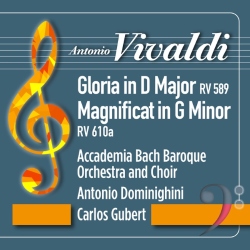
Antonio Vivaldi
Magnificat, RV 610a
Released Album
Recent Album
Featured Album
Works Info
Composer:Antonio VivaldiGenre:ChoralStyle:MagnificatCompose Date:1713 - 1719Average_duration:13:56Movement_count:9Movement ....Antonio Vivaldi's Magnificat, RV 610a, is a sacred choral work composed in the early 18th century. The piece is based on the text of the Magnificat, a hymn of praise to the Virgin Mary, and is divided into nine movements. The Magnificat, RV 610a, was composed in 1717, during Vivaldi's tenure as music director at the Ospedale della Pietà in Venice. The work was likely written for performance during the Christmas season, as the Magnificat is traditionally associated with the Nativity. The first movement of the Magnificat, RV 610a, is a grand choral setting of the opening lines of the hymn, "Magnificat anima mea Dominum" ("My soul magnifies the Lord"). The second movement is a duet for soprano and alto, "Et exultavit spiritus meus" ("And my spirit rejoices"), which features lively, virtuosic vocal lines. The third movement, "Quia respexit humilitatem" ("For he has regarded the lowliness"), is a solo aria for alto, characterized by its gentle, flowing melody and expressive ornamentation. The fourth movement, "Omnes generationes" ("All generations"), is a choral setting of the text, featuring imitative polyphony and a lively, dance-like rhythm. The fifth movement, "Quia fecit mihi magna" ("For he who is mighty has done great things for me"), is a solo aria for soprano, with a virtuosic vocal line and a joyful, celebratory character. The sixth movement, "Et misericordia" ("And his mercy"), is a duet for alto and tenor, with a gentle, flowing melody and expressive harmonies. The seventh movement, "Fecit potentiam" ("He has shown strength"), is a choral setting of the text, featuring lively rhythms and imitative polyphony. The eighth movement, "Deposuit potentes" ("He has brought down the powerful"), is a solo aria for bass, with a dramatic, declamatory character and a virtuosic vocal line. The final movement, "Sicut erat in principio" ("As it was in the beginning"), is a grand choral setting of the closing lines of the hymn, featuring imitative polyphony and a triumphant character. Overall, Vivaldi's Magnificat, RV 610a, is a masterful example of Baroque sacred music, characterized by its expressive melodies, virtuosic vocal lines, and lively rhythms.More....
Works Music
Released Music
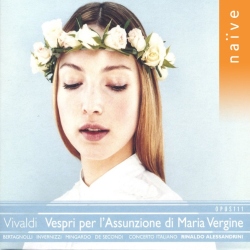
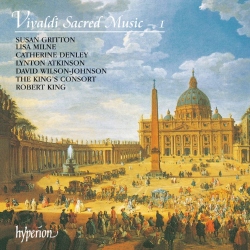
Featured Music