


George Frederick Handel
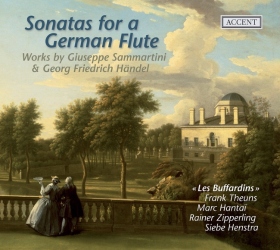
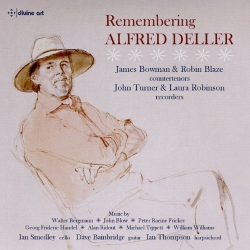
Trio sonata for 2 recorders & continuo in F major, HWV 405
Released Album
Recent Album
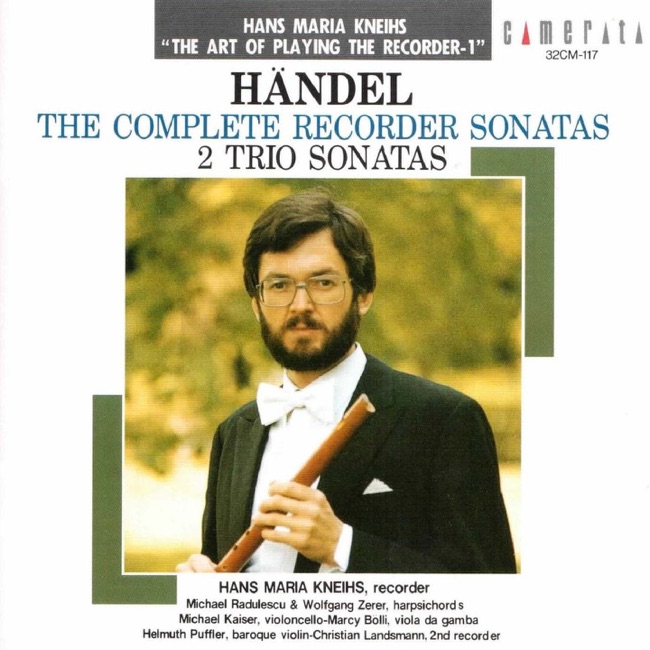
Featured Album
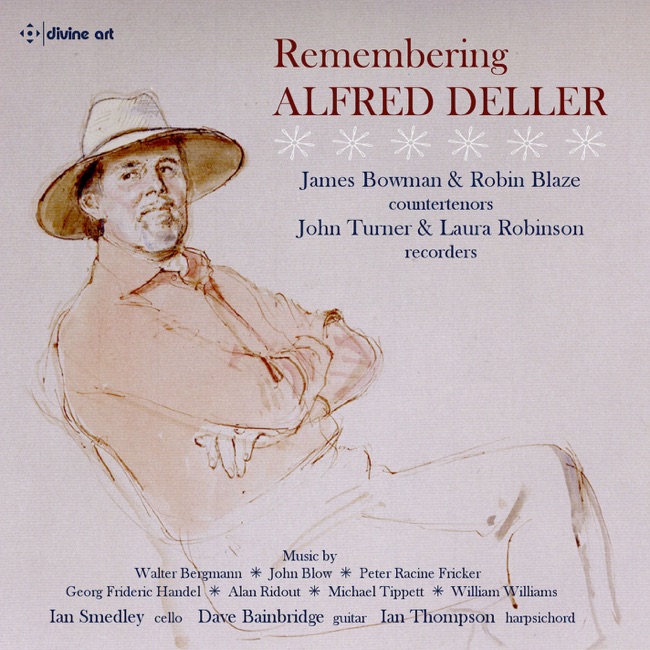
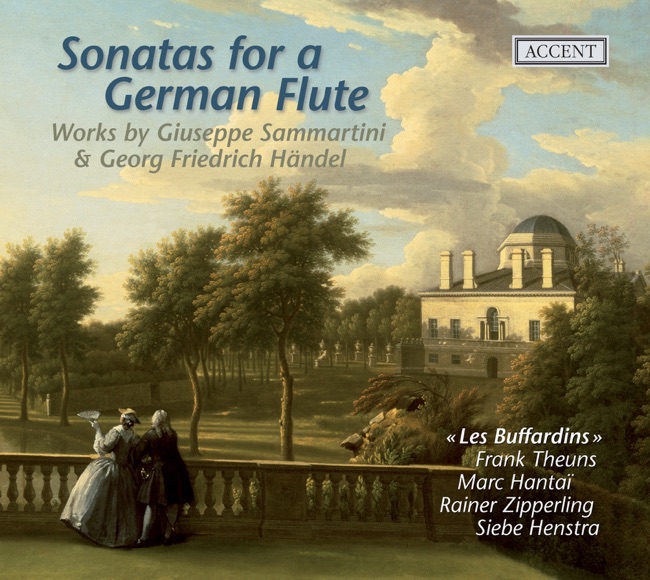
Works Info
Composer:George Frederick HandelGenre:ChamberStyle:SonataCompose Date:ca. 1709Average_duration:5:55Movement_count:3Movement ....George Frederick Handel's Trio Sonata for 2 recorders & continuo in F major, HWV 405, was composed in the early 18th century. The exact date of composition is unknown, but it is believed to have been written between 1710 and 1720. The piece was premiered in London, England, and was likely performed in private settings for small audiences. The Trio Sonata consists of four movements: Largo, Allegro, Adagio, and Allegro. The first movement, Largo, is a slow and stately introduction that sets the tone for the rest of the piece. The second movement, Allegro, is a lively and energetic dance that showcases the virtuosity of the two recorders. The third movement, Adagio, is a slow and expressive melody that allows the performers to showcase their ability to play with emotion and sensitivity. The final movement, Allegro, is a fast and lively dance that brings the piece to a thrilling conclusion. The Trio Sonata is characterized by its use of counterpoint, a technique in which two or more melodies are played simultaneously. Handel's use of counterpoint creates a rich and complex texture that is both challenging and rewarding for the performers. The piece also features Handel's signature use of ornamentation, which adds a sense of elegance and sophistication to the music. Overall, Handel's Trio Sonata for 2 recorders & continuo in F major, HWV 405, is a masterful example of Baroque chamber music. Its intricate melodies, complex harmonies, and virtuosic performances make it a challenging and rewarding piece for both performers and listeners alike.More....
Works Music
Released Music
1
2:5
2
1:59
3
5:40
4
2:25
5
2:19
Featured Music
1
2:3
2
1:51
3
1:55
4
2:13
5
1:24
6
2:16