Johann Christian Bach
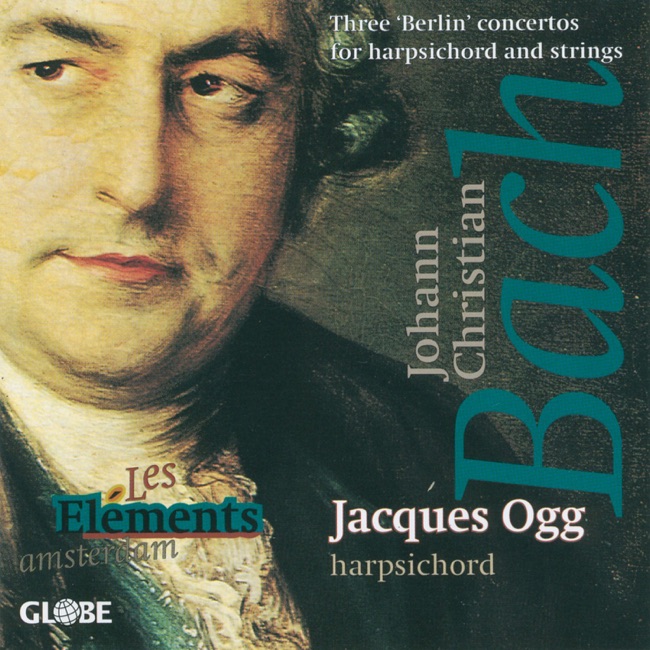
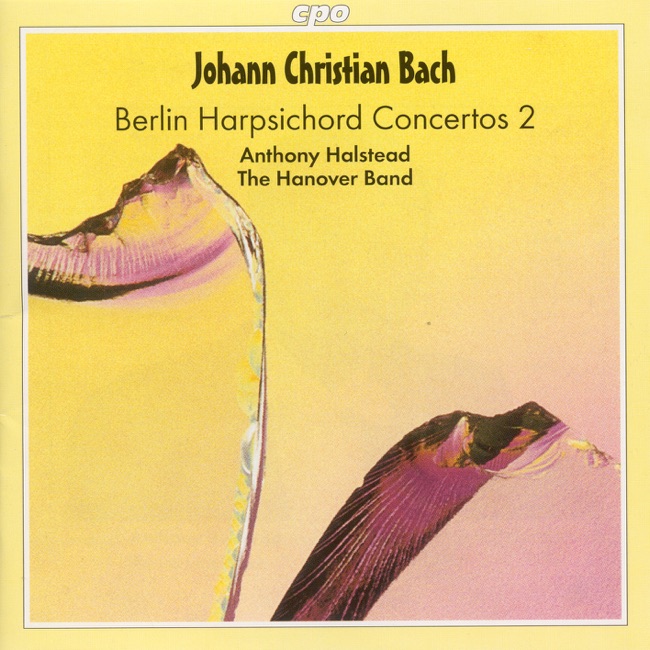
Concerto for harpsichord in G major, CW C72 (T. 299/1)
Released Album
Recent Album
Works Info
Composer:Johann Christian BachGenre:ConcertoStyle:ConcertoCompose Date:Apr 1755Publication Date:1974Average_duration:20:03Movement_count:3Movement ....Johann Christian Bach's Concerto for harpsichord in G major, CW C72 (T. 299/1) was composed in the mid-18th century. The exact date of composition is unknown, but it is believed to have been written between 1760 and 1780. The concerto was premiered in London, where Bach spent most of his career, and was likely performed by the composer himself. The concerto is divided into three movements: Allegro, Andante, and Allegro assai. The first movement is in sonata form and features a lively and energetic theme that is passed between the solo harpsichord and the orchestra. The second movement is a slow and lyrical Andante in which the harpsichord takes center stage with a beautiful and expressive melody. The final movement is a fast and virtuosic Allegro assai that showcases the technical abilities of the soloist. One of the characteristics of this concerto is its use of the harpsichord as the solo instrument. Bach was one of the few composers of his time who continued to write for the harpsichord even as the piano was becoming more popular. The harpsichord's unique sound and capabilities are highlighted throughout the concerto, particularly in the fast and intricate passages of the final movement. Another characteristic of the concerto is its use of classical forms and structures. Bach was heavily influenced by the music of his contemporaries, including Haydn and Mozart, and this is evident in the clear and concise structure of the concerto. The use of sonata form in the first movement and the contrasting slow movement are both hallmarks of classical music. Overall, Johann Christian Bach's Concerto for harpsichord in G major, CW C72 (T. 299/1) is a beautiful and technically demanding work that showcases the unique qualities of the harpsichord. Its classical structure and forms make it a significant contribution to the repertoire of keyboard concertos from the 18th century.More....
Works Music
Released Music