Sephardic Traditional
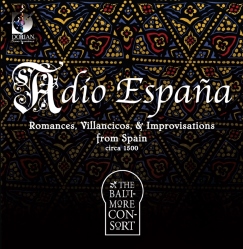
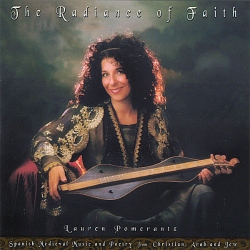
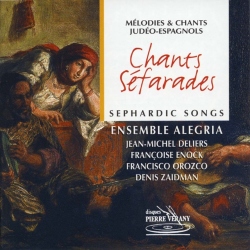
Morenica a mí me llaman
Released Album
Recent Album
Works Info
Composer:Sephardic TraditionalGenre:VocalStyle:Vocal MusicAverage_duration:4:14'Morenica a mí me llaman' is a traditional Sephardic song that has been passed down through generations. The exact date of its composition is unknown, but it is believed to have originated in Spain during the 15th century. The song has since been adapted and performed by various artists and groups around the world. The song is typically performed in a slow and mournful tempo, with a distinct Middle Eastern influence in its melody and instrumentation. It is sung in Ladino, a language that combines elements of Hebrew, Spanish, and other languages spoken by Sephardic Jews. 'Morenica a mí me llaman' is divided into several movements, each of which tells a different part of the story. The first movement introduces the protagonist, a young woman who is described as being dark-skinned and beautiful. The second movement describes her longing for her lover, who is away on a journey. The third movement describes her despair when she learns that her lover has been killed in battle. The final movement is a lament for her lost love. The song's lyrics are rich with symbolism and metaphor, reflecting the complex cultural and religious history of the Sephardic people. The protagonist's dark skin is a reference to her Jewish heritage, which was often stigmatized in medieval Spain. Her lover's journey and subsequent death are symbolic of the Jewish diaspora and the persecution that many Sephardic Jews faced throughout history. Despite its somber tone, 'Morenica a mí me llaman' is a powerful expression of resilience and hope in the face of adversity. Its haunting melody and poignant lyrics continue to resonate with audiences today, making it a beloved classic of Sephardic music.More....
Works Music