


Franz Liszt
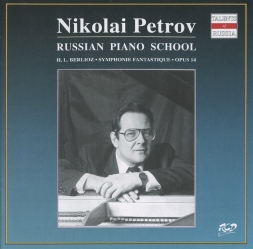
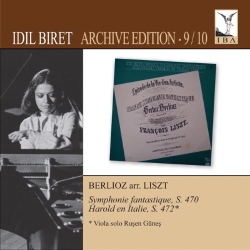
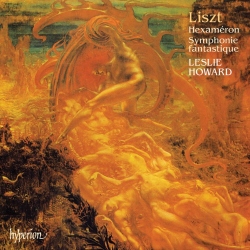
Symphonie fantastique (after Berlioz), S. 470
Released Album
Recent Album



Featured Album

Works Info
Composer:Franz LisztGenre:KeyboardStyle:SymphonyCompose Date:1833Publication Date:1834Average_duration:53:36Movement_count:5Movement ....Franz Liszt's "Symphonie fantastique (after Berlioz), S. 470" is a transcription of Hector Berlioz's original work of the same name. Liszt composed the transcription in 1833, just a year after Berlioz premiered the original symphony. The transcription was premiered in Weimar, Germany in 1835. The symphony consists of five movements, each with its own unique character and musical themes. The first movement, titled "Reveries - Passions," begins with a slow and dreamy introduction that gradually builds in intensity, representing the protagonist's romantic fantasies. The second movement, "A Ball," is a lively and energetic dance that depicts a festive ball. The third movement, "Scene in the Fields," is a pastoral interlude that evokes the tranquility of nature. The fourth movement, "March to the Scaffold," is a dramatic and intense depiction of the protagonist's execution. The final movement, "Dream of a Witches' Sabbath," is a macabre and eerie depiction of the protagonist's descent into madness. Liszt's transcription of Berlioz's symphony is notable for its virtuosic piano writing, which showcases Liszt's technical prowess and ability to create a full orchestral sound on the piano. The transcription also highlights Liszt's skill as a composer, as he was able to capture the essence of Berlioz's original work while adding his own unique interpretation. Overall, Liszt's "Symphonie fantastique (after Berlioz), S. 470" is a masterful transcription that showcases both Liszt's technical abilities and his artistic vision. It remains a popular and influential work in the piano repertoire to this day.More....
Works Music
Released Music
1

6:15
2

6:8
4
6:8

6

6:26
Featured Music
5

Symphonie fantastique (after Berlioz), p. 470
5. Songe d'Une Nuit du Sabbat (Dream of a Witches' Sabbath)
10:17