Nikolai Afanasiev
String Octet
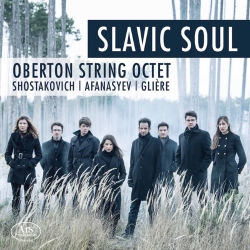
Released Album
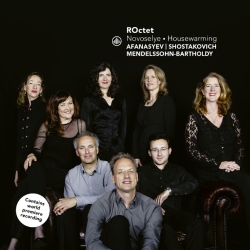
Recent Album
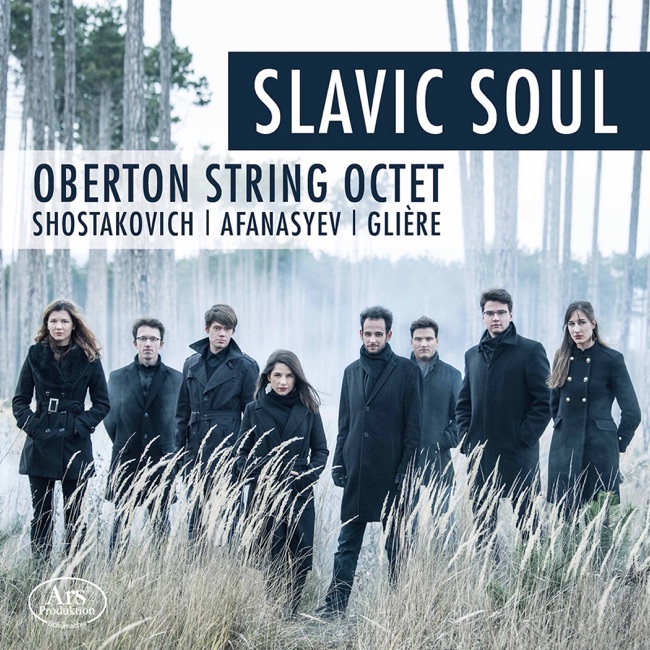
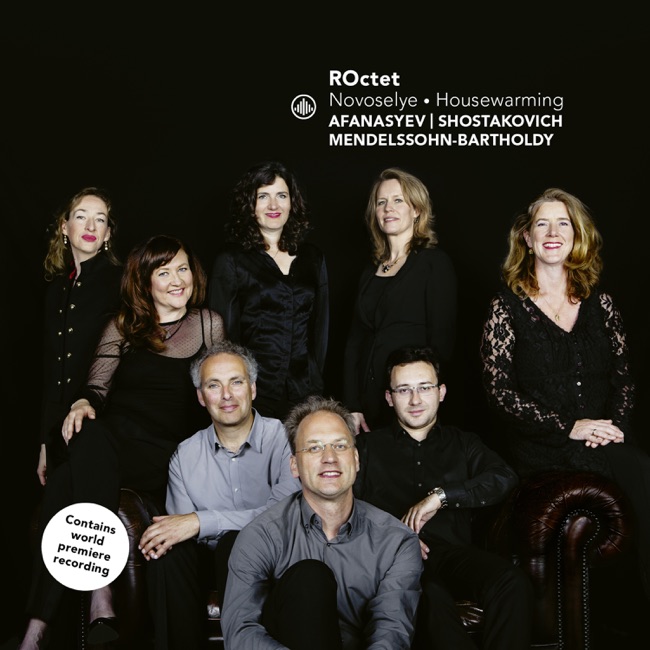
Works Info
Composer:Nikolai AfanasievGenre:ChamberPublication Date:1875Average_duration:23:07Movement_count:4Movement ....Nikolai Afanasiev's String Octet is a chamber music piece composed for eight string instruments. It was composed in 1950 and premiered in Moscow in the same year. The piece consists of four movements, each with its own unique characteristics. The first movement, marked Allegro moderato, is in sonata form and begins with a lively and energetic theme played by the first violin. The theme is then passed on to the other instruments, creating a sense of unity and coherence. The development section explores different harmonies and textures, leading to a dramatic climax before returning to the original theme. The second movement, marked Andante, is a slow and melancholic piece that showcases the expressive capabilities of the string instruments. The cello takes the lead in the opening section, playing a mournful melody that is then echoed by the other instruments. The middle section features a more hopeful and uplifting theme, but the melancholic mood returns in the final section. The third movement, marked Scherzo, is a playful and lively piece that contrasts with the previous movement. The opening theme is a fast and rhythmic melody played by the violins, which is then developed and expanded upon by the other instruments. The middle section features a slower and more lyrical theme, but the playful mood returns in the final section. The fourth and final movement, marked Allegro con fuoco, is a fast and fiery piece that brings the piece to a thrilling conclusion. The opening theme is a virtuosic melody played by the violins, which is then passed on to the other instruments. The middle section features a more subdued and introspective theme, but the fiery mood returns in the final section, leading to a dramatic and triumphant ending. Overall, Afanasiev's String Octet is a masterful example of chamber music composition, showcasing the expressive capabilities of the string instruments and exploring a wide range of moods and emotions. Its premiere in 1950 was met with critical acclaim, and it remains a beloved piece in the chamber music repertoire to this day.More....
Works Music
Released Music