


Johann Adolf Hasse
Te Deum in D
Released Album
Recent Album
Works Info
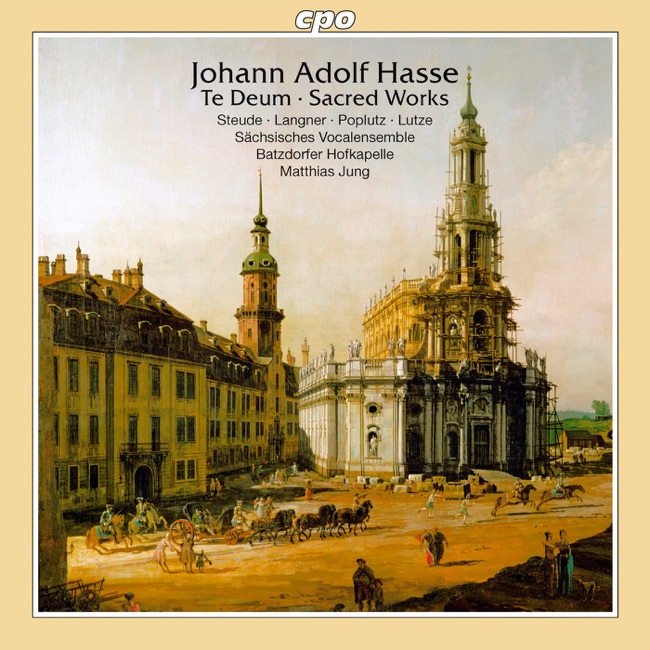
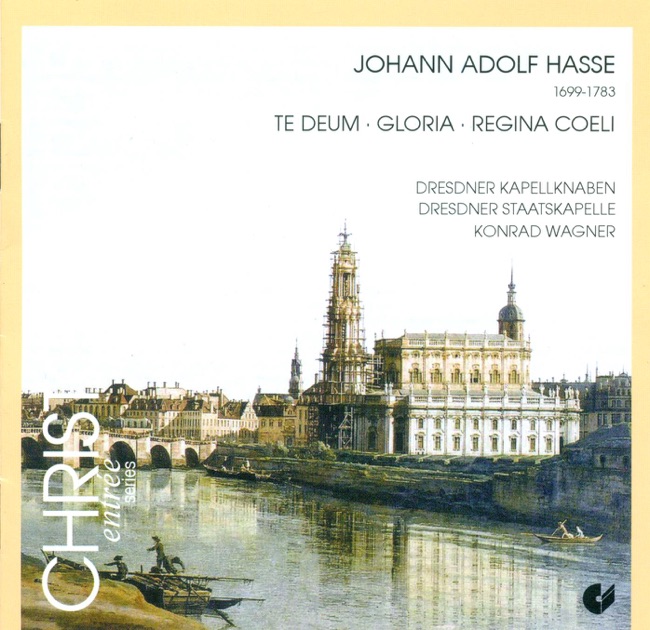
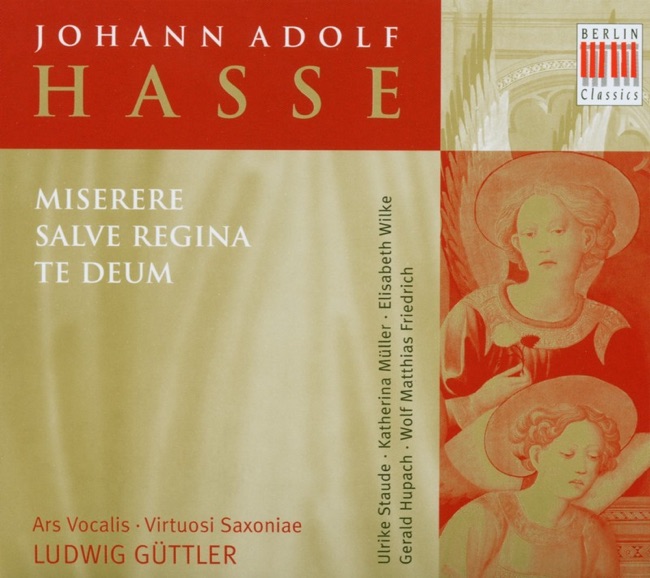
Composer:Johann Adolf HasseGenre:ChoralStyle:ChoralAverage_duration:31:44Johann Adolf Hasse's 'Te Deum in D' is a choral work that was composed in the Baroque era. It was first performed in 1744 in Dresden, Germany. The piece is divided into six movements, each with its own unique characteristics. The first movement, 'Te Deum laudamus,' is a grand opening that features a full choir and orchestra. The music is celebratory and majestic, with a strong sense of triumph and praise. The second movement, 'Tu rex gloriae,' is a solo aria for bass. The music is more subdued than the first movement, but still has a sense of grandeur. The bass soloist sings of God's power and glory. The third movement, 'Tu ad liberandum,' is a duet for soprano and alto. The music is more delicate and intimate than the previous movements, with a focus on the beauty of the human voice. The duet sings of God's mercy and salvation. The fourth movement, 'Te ergo quaesumus,' is a solo aria for tenor. The music is more introspective than the previous movements, with a sense of pleading and supplication. The tenor soloist sings of the need for God's guidance and protection. The fifth movement, 'Aeterna fac,' is a full choir and orchestra piece. The music is more contemplative than the previous movements, with a sense of awe and reverence. The choir sings of the eternal nature of God's glory. The final movement, 'Dignare Domine,' is a solo aria for soprano. The music is more joyful than the previous movements, with a sense of thanksgiving and praise. The soprano soloist sings of the blessings of God's grace. Overall, Hasse's 'Te Deum in D' is a grand and celebratory work that showcases the beauty of the human voice and the power of the orchestra. The piece is a testament to the Baroque era's love of grandeur and spectacle, while also conveying a sense of reverence and awe for the divine.More....
Works Music
Released Music

Main Perform Artists
Children's Chorus
Alto (Vocals)
Tenor (Vocal)
Soprano (Vocal)