Giovanni Buonaventura Viviani
Aria sesta, Op. 4
Released Album
Recent Album
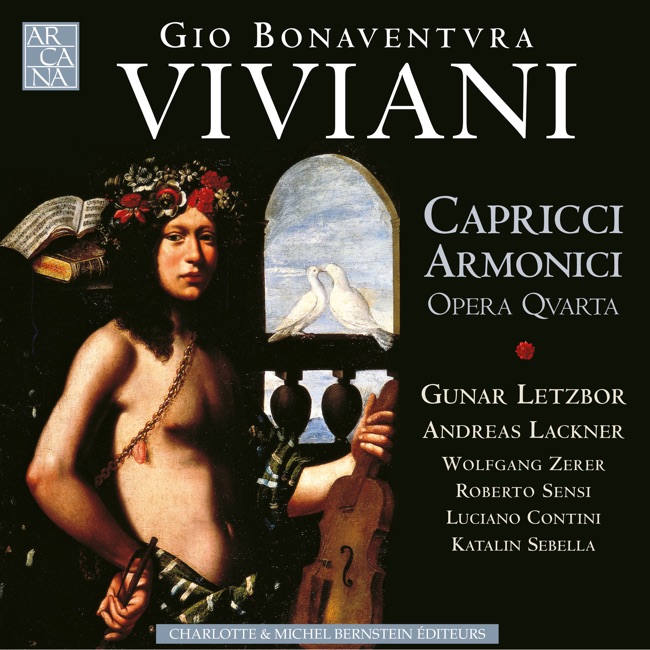
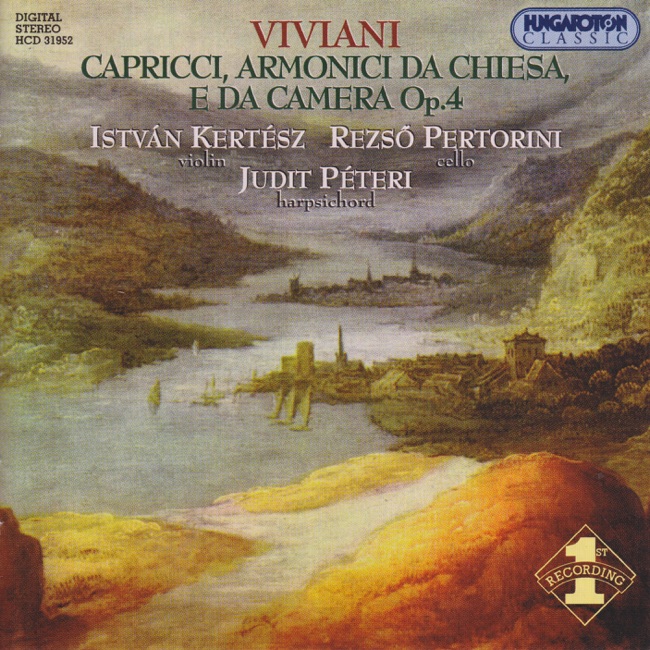
Works Info
Composer:Giovanni Buonaventura VivianiGenre:ChamberStyle:Chamber MusicCompose Date:1678Average_duration:1:02Giovanni Buonaventura Viviani was an Italian composer and trumpeter who lived from 1638 to 1693. He was born in Florence and spent most of his life in the service of the Este family in Modena. Viviani was a prolific composer, writing music for a variety of instruments, including the trumpet, violin, and organ. One of his most famous works is the Aria sesta, Op. 4. The Aria sesta, Op. 4 was composed in the mid-17th century and premiered in Modena, Italy. It is a piece for trumpet and basso continuo, which means that the trumpet is accompanied by a keyboard instrument, such as a harpsichord or organ, and a bass instrument, such as a cello or bassoon. The piece is divided into three movements: Adagio, Allegro, and Adagio. The first movement, Adagio, is a slow and expressive piece that showcases the trumpet's ability to play long, sustained notes. The trumpet melody is accompanied by a simple bass line played by the keyboard and bass instruments. The second movement, Allegro, is a fast and lively piece that features virtuosic trumpet playing. The trumpet plays a series of fast runs and trills, while the keyboard and bass instruments provide a rhythmic accompaniment. The final movement, Adagio, is similar to the first movement in that it is slow and expressive. The trumpet plays a beautiful melody that is accompanied by the keyboard and bass instruments. The Aria sesta, Op. 4 is a prime example of Baroque music. It features a clear melody line, a simple bass line, and a rhythmic accompaniment. The piece also showcases the trumpet's ability to play both slow and expressive music, as well as fast and virtuosic music. Viviani's use of the trumpet in this piece was innovative for its time, as the trumpet was primarily used for military purposes and fanfares. The Aria sesta, Op. 4 helped to establish the trumpet as a legitimate solo instrument in Baroque music. In conclusion, the Aria sesta, Op. 4 is a beautiful and innovative piece of Baroque music composed by Giovanni Buonaventura Viviani. It premiered in Modena, Italy in the mid-17th century and features three movements: Adagio, Allegro, and Adagio. The piece showcases the trumpet's ability to play both slow and expressive music, as well as fast and virtuosic music. Viviani's use of the trumpet in this piece helped to establish the trumpet as a legitimate solo instrument in Baroque music.More....
Works Music