Thomas Tomkins
My Beloved Spake Unto Me.
Released Album
Recent Album
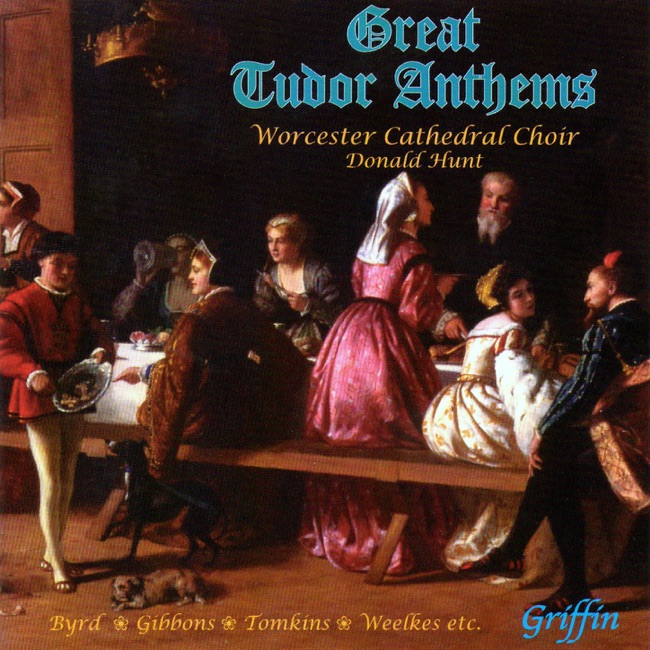
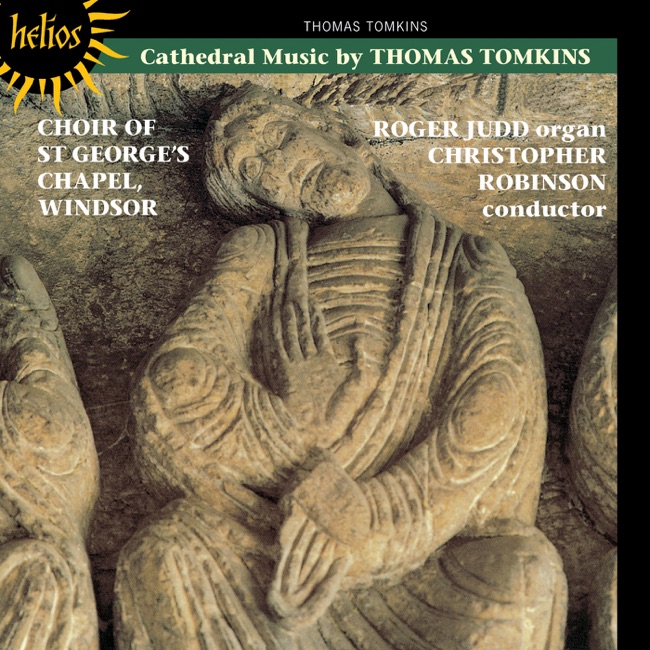
Works Info
Composer:Thomas TomkinsGenre:VocalStyle:Part SongAverage_duration:4:55Thomas Tomkins was an English composer who lived from 1572 to 1656. He was a prolific composer of sacred music, and his works were widely performed during his lifetime. One of his most famous works is "My Beloved Spake Unto Me," a choral piece that was composed in the early 17th century. The piece was first performed in 1622, and it quickly became popular among choirs and church congregations. It is a setting of a passage from the Song of Solomon, which is a book of the Bible that is known for its romantic and poetic language. The text of the piece describes a conversation between two lovers, and Tomkins' music captures the intimacy and tenderness of the dialogue. "My Beloved Spake Unto Me" is divided into six movements, each of which is based on a different section of the text. The first movement begins with a solo voice singing the words "My beloved spake, and said unto me," and the choir responds with a gentle, flowing melody. The second movement features a duet between two voices, and the third movement is a lively and joyful chorus that celebrates the beauty of the beloved. The fourth movement is a solo for a tenor voice, and it is one of the most beautiful and moving sections of the piece. The tenor sings the words "Set me as a seal upon thine heart," and the choir responds with a haunting and ethereal melody. The fifth movement is a duet between a soprano and a bass, and it is a tender and intimate conversation between the lovers. The final movement is a triumphant chorus that celebrates the love between the two lovers. The choir sings the words "Many waters cannot quench love, neither can the floods drown it," and the music swells to a powerful and joyful conclusion. Overall, "My Beloved Spake Unto Me" is a beautiful and moving piece of music that captures the intimacy and tenderness of the Song of Solomon. Tomkins' music is rich and complex, with intricate harmonies and beautiful melodies that are a joy to listen to. It is no wonder that this piece has remained popular among choirs and audiences for centuries.More....
Works Music