George Benjamin
Dream of the Song
Released Album
Recent Album
Works Info
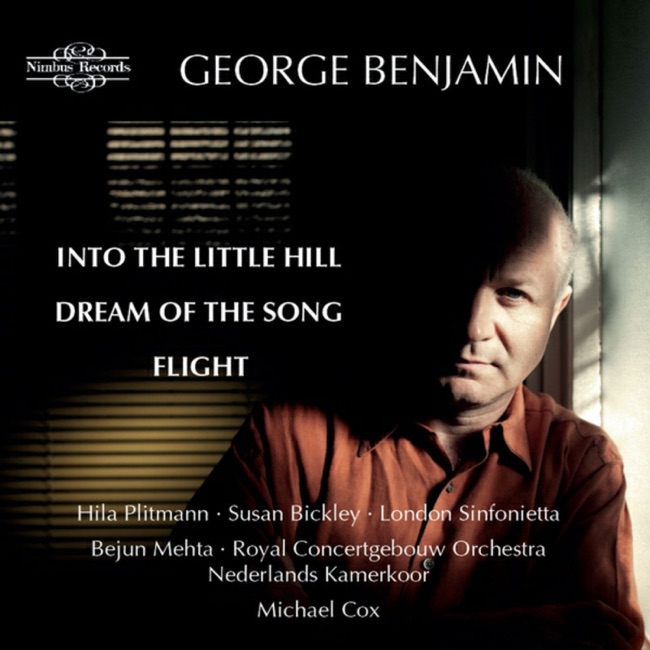
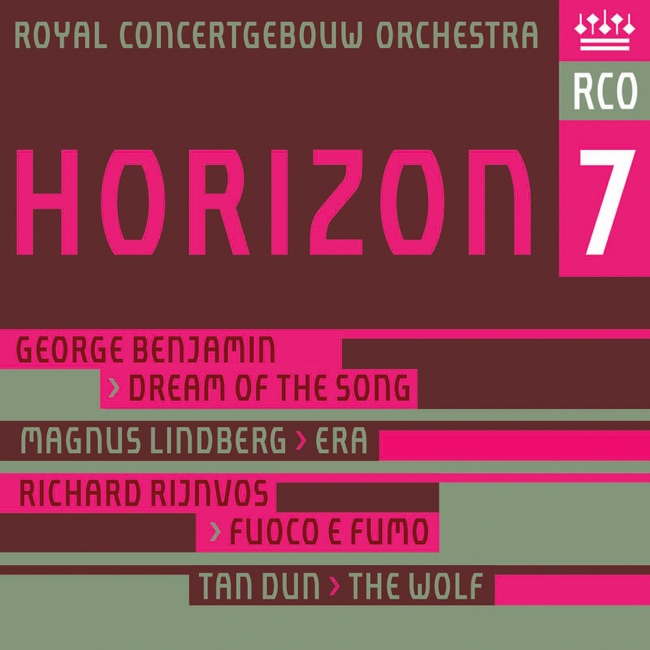
Composer:George BenjaminGenre:VocalAverage_duration:19:33Movement_count:6Movement ....Dream of the Song is a song cycle composed by George Benjamin, a British composer, in 2015. The piece was premiered on October 9, 2015, at the Royal Festival Hall in London, with the composer conducting the London Philharmonic Orchestra. The cycle consists of ten songs, with texts by the Spanish poet Federico García Lorca and the Hebrew poet Solomon Ibn Gabirol, translated into English by the British poet Paul Celan. The first movement, "The Penelope of Dreams," is a setting of a poem by Lorca that describes a woman waiting for her lover to return. The music is ethereal and dreamlike, with shimmering strings and delicate woodwind solos. The second movement, "The Silken Tent," is a setting of a poem by Robert Frost that compares a woman to a tent that shelters and protects her lover. The music is lush and romantic, with soaring melodies and rich harmonies. The third movement, "The Multiple Troubles of Man," is a setting of a poem by Ibn Gabirol that laments the difficulties of human existence. The music is dark and brooding, with ominous brass and percussion. The fourth movement, "The Dust of Stars," is a setting of a poem by Lorca that celebrates the beauty of the night sky. The music is sparkling and magical, with twinkling percussion and glittering harp. The fifth movement, "The Song of the Torn Veil," is a setting of a poem by Ibn Gabirol that describes the moment when the veil between the physical and spiritual worlds is torn. The music is mystical and otherworldly, with haunting vocal lines and eerie harmonies. The sixth movement, "The Pomegranate," is a setting of a poem by Lorca that uses the fruit as a metaphor for love. The music is sensuous and exotic, with sinuous melodies and sultry rhythms. The seventh movement, "The Nightingale and the Rose," is a setting of a poem by Oscar Wilde that tells the story of a nightingale that sacrifices itself to create a red rose for a lover. The music is lush and romantic, with soaring vocal lines and lush orchestration. The eighth movement, "The Magic Lantern," is a setting of a poem by Lorca that describes a magical device that projects images onto a wall. The music is playful and whimsical, with quirky rhythms and colorful orchestration. The ninth movement, "The Hourglass," is a setting of a poem by Ibn Gabirol that reflects on the passage of time. The music is contemplative and introspective, with gentle vocal lines and delicate orchestration. The final movement, "The Flower," is a setting of a poem by Lorca that celebrates the beauty of a flower. The music is joyful and exuberant, with lively rhythms and bright orchestration. Overall, Dream of the Song is a stunningly beautiful and evocative work that showcases Benjamin's mastery of orchestration and his ability to create vivid musical landscapes that perfectly complement the poetry. The cycle is a testament to the power of music to capture the essence of human emotion and experience.More....
Works Music
Released Music