Jenö Hubay
Scène de la Csárda No. 7 "Kossuth's melody", Op. 41
Released Album
Recent Album

Works Info
Composer:Jenö HubayGenre:ChamberStyle:Character PieceCompose Date:1891Average_duration:8:21Jenö Hubay's "Scène de la Csárda No. 7 Kossuth's melody, Op. 41" is a virtuosic violin piece that was composed in 1904. It was premiered in the same year by Hubay himself, who was a renowned Hungarian violinist and composer. The piece is part of a series of Hungarian dances and csárdás that Hubay composed throughout his career. The "Scène de la Csárda No. 7 Kossuth's melody" is divided into three movements. The first movement is marked "Moderato," and it begins with a lyrical melody played by the violin. The melody is then repeated with variations, showcasing the virtuosic abilities of the performer. The second movement is marked "Allegro moderato," and it features a faster tempo and more complex rhythms. The violin plays a series of rapid arpeggios and double stops, creating a sense of urgency and excitement. The final movement is marked "Allegro vivace," and it is the most energetic and lively of the three. The violin plays a series of fast runs and trills, building up to a thrilling climax. One of the most distinctive characteristics of the "Scène de la Csárda No. 7 Kossuth's melody" is its use of Hungarian folk melodies. Hubay was deeply influenced by the music of his homeland, and he incorporated traditional Hungarian melodies and rhythms into many of his compositions. The piece also showcases Hubay's virtuosic abilities as a violinist. The complex rhythms, rapid runs, and intricate double stops require a high level of technical skill and precision. Overall, the "Scène de la Csárda No. 7 Kossuth's melody, Op. 41" is a thrilling and virtuosic piece that showcases the unique musical traditions of Hungary. Its use of folk melodies and complex rhythms make it a challenging and rewarding piece for violinists to perform.More....
Works Music
Released Music

2
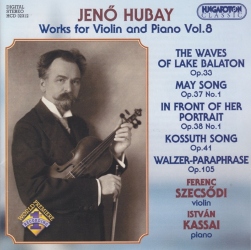
8:21
3
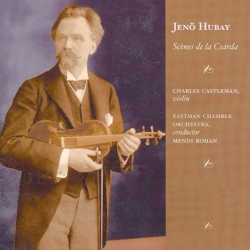
8:29