


Jan Pieterszoon Sweelinck
O quam beata lancea (Cantiones Sacrae No. 21)
Released Album
Recent Album
Works Info
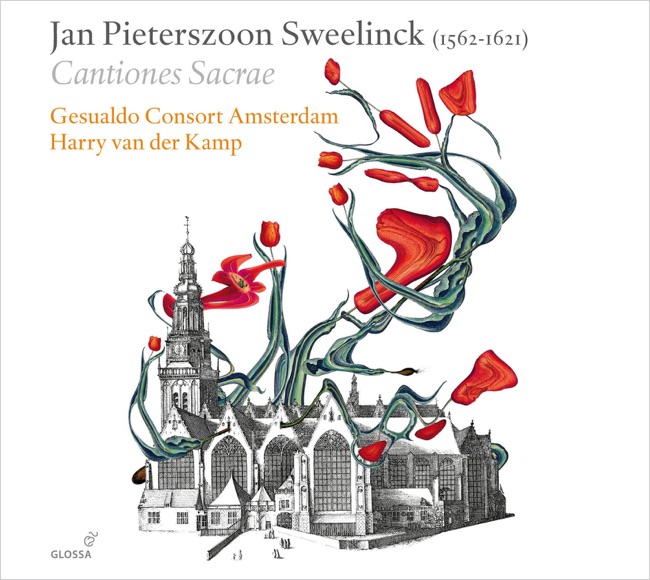
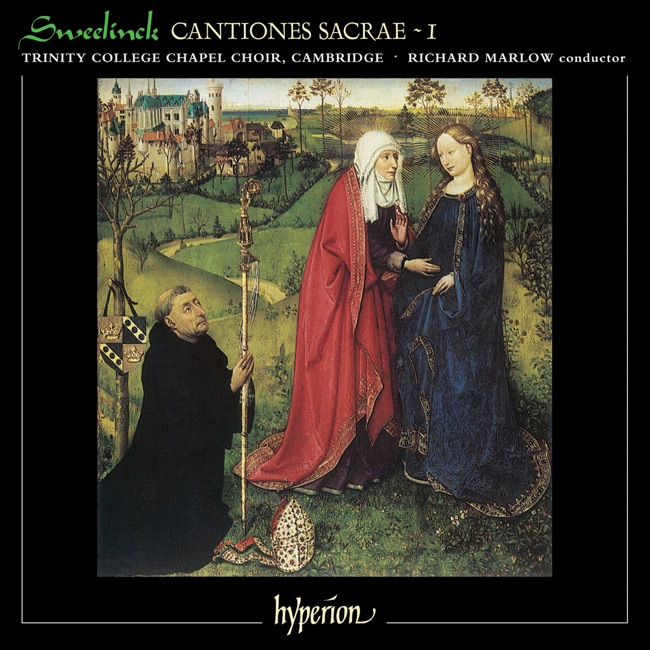
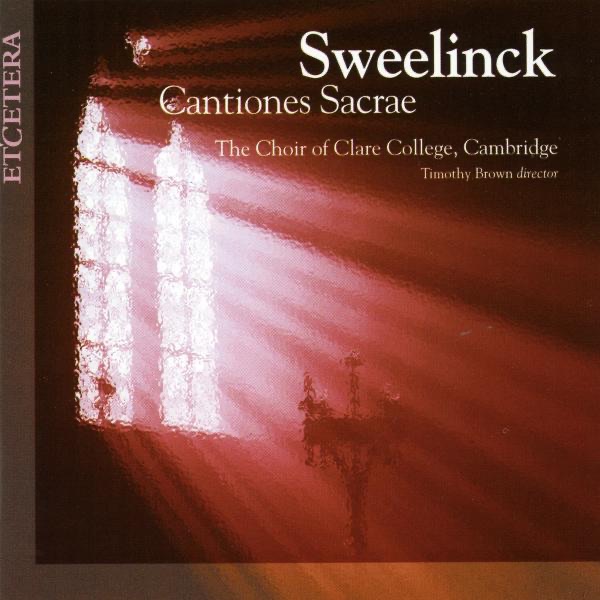
Composer:Jan Pieterszoon SweelinckGenre:ChoralStyle:SongPublication Date:1619Average_duration:4:39Jan Pieterszoon Sweelinck was a Dutch composer and organist of the late Renaissance and early Baroque periods. He was born in Deventer, Netherlands, in 1562 and died in Amsterdam in 1621. Sweelinck was one of the most important composers of his time, and his music had a significant influence on the development of Baroque music. One of Sweelinck's most famous works is 'O quam beata lancea (Cantiones Sacrae No. 21)', which was composed in 1619. The piece is a motet for five voices, and it is based on a Latin text that praises the Holy Lance, which is said to have been used to pierce the side of Jesus Christ during his crucifixion. The premiere of 'O quam beata lancea' is not known, but it was likely performed in a church or cathedral in the Netherlands. The piece is divided into three movements, each of which has its own distinct characteristics. The first movement is marked 'Allegro', and it begins with a lively and energetic instrumental introduction. The voices then enter, singing the text in a joyful and celebratory manner. The music is characterized by its use of imitative polyphony, in which the voices imitate each other's melodies and rhythms. The second movement is marked 'Adagio', and it is a more contemplative and introspective section of the piece. The music is slower and more expressive, with the voices singing in a more homophonic style. The harmonies are rich and complex, and the music is filled with expressive dissonances. The final movement is marked 'Allegro', and it is a return to the joyful and celebratory mood of the first movement. The music is characterized by its use of syncopated rhythms and lively counterpoint. The voices sing the text with great energy and enthusiasm, building to a triumphant conclusion. Overall, 'O quam beata lancea' is a masterful example of Sweelinck's skill as a composer. The piece is characterized by its use of imitative polyphony, expressive harmonies, and lively rhythms. It is a testament to Sweelinck's ability to create music that is both technically complex and emotionally powerful.More....
Works Music
Released Music
2
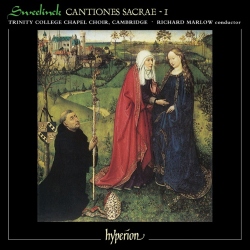
4:23
3
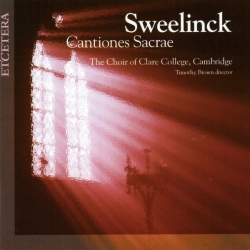
4:55