Francesco Geminiani
Sonata for violin & continuo No. 4 in D major, Op. 1c/4
Released Album
Recent Album
Works Info
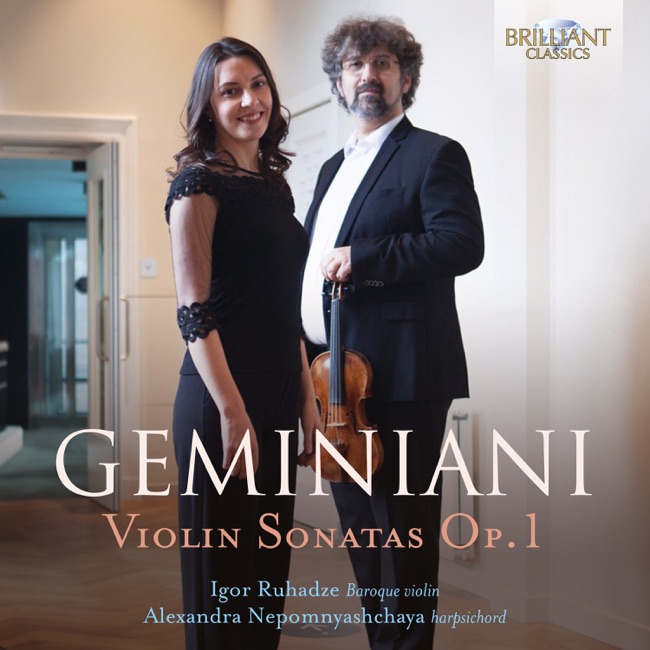
Composer:Francesco GeminianiGenre:ChamberCompose Date:1719Publication Date:1719Average_duration:2:09Francesco Geminiani's Sonata for violin & continuo No. 4 in D major, Op. 1c/4, was composed in the early 18th century. The exact date of composition is unknown, but it is believed to have been written around 1716-1717. The sonata was first premiered in London, where Geminiani had settled after leaving Italy. The sonata consists of four movements: Preludio, Allegro, Adagio, and Allegro. The Preludio is a short, improvisatory introduction that sets the mood for the rest of the piece. The Allegro is a lively and energetic movement, characterized by its fast tempo and virtuosic violin passages. The Adagio is a slower, more contemplative movement, featuring a lyrical melody that is passed between the violin and continuo. The final Allegro is a lively and playful movement, with a catchy melody and intricate interplay between the violin and continuo. One of the most notable characteristics of Geminiani's Sonata for violin & continuo No. 4 is its use of ornamentation. Geminiani was known for his skill in ornamentation, and this sonata is no exception. The violin part is filled with trills, turns, and other embellishments that add to the overall virtuosity of the piece. Another characteristic of the sonata is its use of the continuo. The continuo part, typically played on a harpsichord or organ, provides a harmonic foundation for the violin part. In Geminiani's sonata, the continuo is given more prominence than in some other Baroque works, with the harpsichord often playing intricate and virtuosic passages alongside the violin. Overall, Geminiani's Sonata for violin & continuo No. 4 in D major, Op. 1c/4, is a lively and virtuosic work that showcases the composer's skill in ornamentation and his innovative use of the continuo. Its premiere in London helped to establish Geminiani as one of the leading composers of his time, and it remains a popular work in the Baroque repertoire today.More....
Works Music
Released Music