Gregorian Chant
Tenebrae of Good Friday--Second Nocturne: Vim faciébant & Psalm 37
Released Album
Featured Album
Works Info
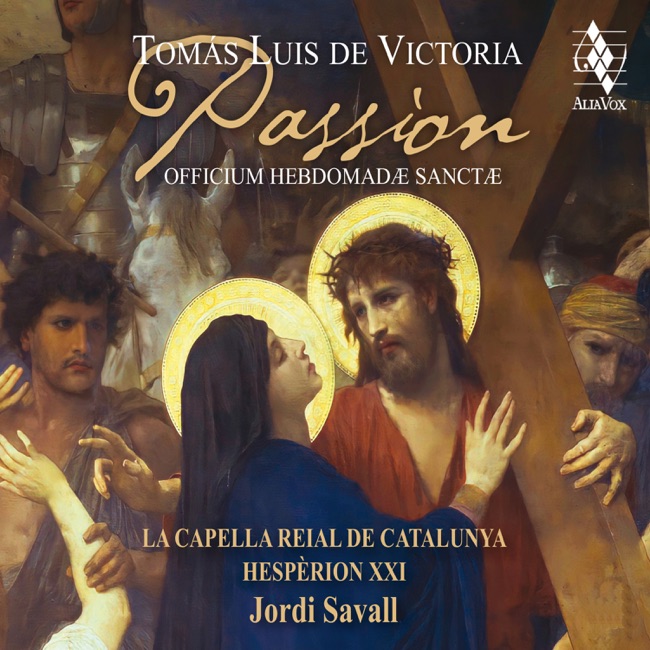
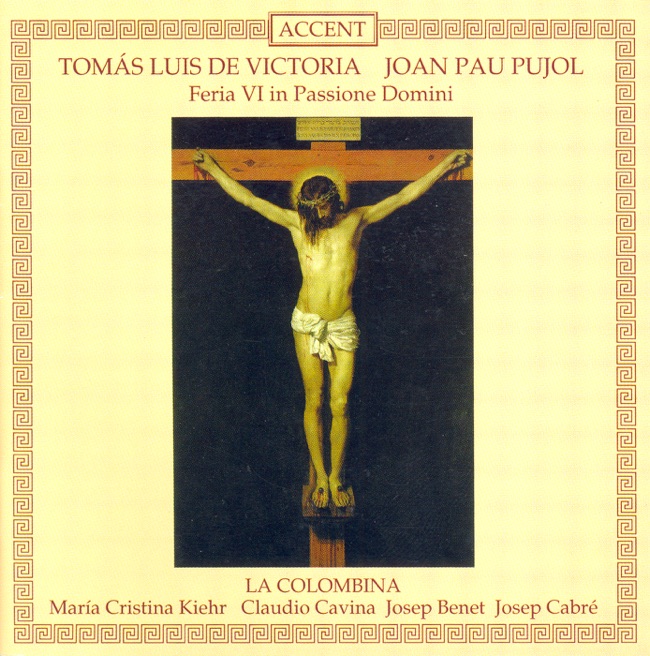
Composer:Gregorian ChantGenre:ChoralStyle:ChantAverage_duration:0:52The Tenebrae of Good Friday is a liturgical service that takes place on the evening of Holy Thursday or the morning of Good Friday. It is a solemn and mournful service that commemorates the Passion and death of Jesus Christ. The Tenebrae service is characterized by the gradual extinguishing of candles, symbolizing the darkness that descended upon the earth at the time of Christ's death. The Second Nocturne of the Tenebrae of Good Friday features the Gregorian Chant "Vim faciébant & Psalm 37." This chant is believed to have been composed in the 7th or 8th century and has been a part of the Tenebrae service for centuries. The chant is divided into two parts: "Vim faciébant" and "Psalm 37." "Vim faciébant" is a responsory that tells the story of the soldiers who arrested Jesus in the Garden of Gethsemane. The text is taken from the Gospel of Luke and describes how the soldiers used force to take Jesus into custody. The chant is characterized by its mournful melody and the repetition of the phrase "Vim faciébant" (they used force). The second part of the chant is Psalm 37, which is a lamentation that expresses the sorrow and despair of the faithful in times of trouble. The psalm is sung in a simple and plaintive melody that reflects the mood of the Tenebrae service. The text of the psalm is a reminder that even in times of darkness and despair, God is present and will ultimately triumph over evil. The Tenebrae of Good Friday is a powerful and moving service that has been a part of Christian tradition for centuries. The Second Nocturne, with its haunting melody and poignant lyrics, is a testament to the enduring power of Gregorian Chant and its ability to evoke deep emotions and spiritual reflection.More....
Works Music
Featured Music
1
Tenebrae of Good Friday--Second Nocturne: Facing Vim & Psalm 37
Antiphona: Vim faciebant / Versiculum: Insurrexerunt in me testes iniqui
43