


Sergei Taneyev
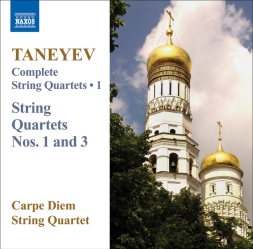
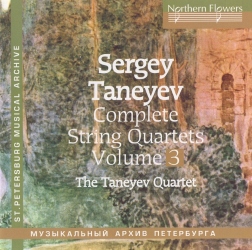
String Quartet No. 3 in D minor, Op. 7
Released Album
Recent Album
Works Info
Composer:Sergei TaneyevGenre:ChamberStyle:Chamber MusicCompose Date:1886Publication Date:1898Average_duration:26:48Movement_count:2Movement ....Sergei Taneyev's String Quartet No. 3 in D minor, Op. 7, was composed in 1884 and premiered in Moscow in 1885. The quartet consists of four movements: Allegro moderato, Adagio, Scherzo, and Finale. The first movement, Allegro moderato, begins with a somber and melancholic theme in the cello, which is then taken up by the viola and first violin. The second theme is more lively and energetic, with a sense of urgency and restlessness. The movement is characterized by its use of counterpoint and complex harmonies, as well as its emotional intensity. The second movement, Adagio, is a lyrical and expressive piece that showcases the quartet's ability to create a rich and nuanced sound. The main theme is introduced by the first violin and is then passed around the other instruments, each adding their own unique voice to the melody. The movement is marked by its use of chromaticism and its sense of yearning and longing. The third movement, Scherzo, is a playful and energetic piece that contrasts with the more serious tone of the previous movements. The main theme is a lively and rhythmic melody that is passed around the instruments, with each adding their own embellishments and variations. The trio section is more subdued and features a beautiful melody in the cello. The final movement, Finale, is a complex and virtuosic piece that showcases the quartet's technical prowess. The movement is marked by its use of fugue-like passages and its sense of urgency and drama. The main theme is a driving and energetic melody that is developed throughout the movement, culminating in a thrilling and triumphant coda. Overall, Taneyev's String Quartet No. 3 in D minor, Op. 7, is a masterful work that showcases the composer's skill in creating complex and emotionally charged music. The quartet's use of counterpoint, chromaticism, and virtuosic passages make it a challenging and rewarding piece for both performers and listeners.More....
Works Music
Released Music
2
9:22
3
8:31