Franz Liszt
Die Post, (after Schubert) S. 561/4
Released Album
Recent Album


Works Info
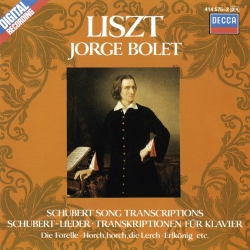
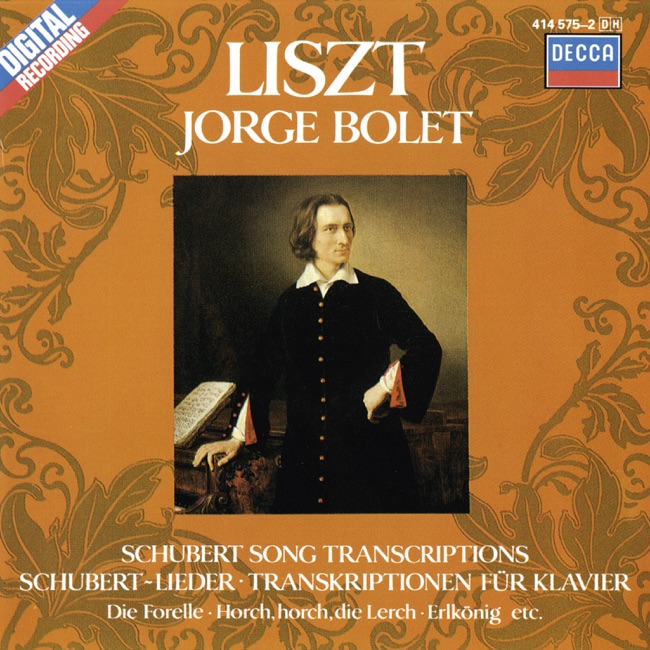
Composer:Franz LisztGenre:KeyboardStyle:KeyboardCompose Date:1839Publication Date:1840Average_duration:3:17Franz Liszt's "Die Post" is a transcription of Franz Schubert's song of the same name, which was originally composed for voice and piano. Liszt's transcription is part of his larger collection of Schubert transcriptions, which he created in the mid-19th century as a way of popularizing Schubert's music and bringing it to a wider audience. "Die Post" was composed by Schubert in 1828, just a few months before his death. It is part of a larger song cycle called "Winterreise," which tells the story of a young man who has been rejected by his lover and is wandering through the winter landscape in despair. "Die Post" is one of the few songs in the cycle that has a more hopeful tone, as the protagonist sees a postman approaching and hopes that he will bring him a letter from his beloved. Liszt's transcription of "Die Post" was first performed in 1840 and was published as part of his "Schubert Song Transcriptions" in 1846. The transcription is written for solo piano and is in the key of A-flat major. It is divided into three movements, each of which corresponds to a different section of Schubert's original song. The first movement of Liszt's transcription is marked "Allegro moderato" and is based on the opening section of Schubert's song. It begins with a series of arpeggios in the left hand, which are meant to evoke the sound of a postman's horse trotting along the road. The right hand plays the melody of the song, which is initially presented in a simple, straightforward manner. As the movement progresses, Liszt adds more ornamentation and virtuosic flourishes to the melody, creating a sense of excitement and anticipation. The second movement of the transcription is marked "Andante" and corresponds to the middle section of Schubert's song. It is a more introspective and melancholy section, in which the protagonist reflects on his loneliness and despair. Liszt's transcription captures this mood with a series of gentle, flowing arpeggios in the left hand and a simple, plaintive melody in the right hand. The movement builds to a climax with a series of ascending chords, which represent the protagonist's rising hope that the postman will bring him a letter. The final movement of the transcription is marked "Allegro vivace" and corresponds to the final section of Schubert's song. It is a joyful and exuberant section, in which the protagonist receives a letter from his beloved and sets off on a new journey with renewed hope and optimism. Liszt's transcription captures this mood with a series of fast, virtuosic runs in both hands, which create a sense of excitement and energy. The movement ends with a triumphant flourish, as the protagonist sets off on his new journey. Overall, Liszt's transcription of "Die Post" is a virtuosic and highly expressive work that captures the emotional depth and complexity of Schubert's original song. It is a testament to Liszt's skill as a transcriber and his deep admiration for Schubert's music.More....
Works Music
Released Music