Antonio Bertali
Sonata à 3, for 2 violins, trombone & continuo
Released Album
Recent Album
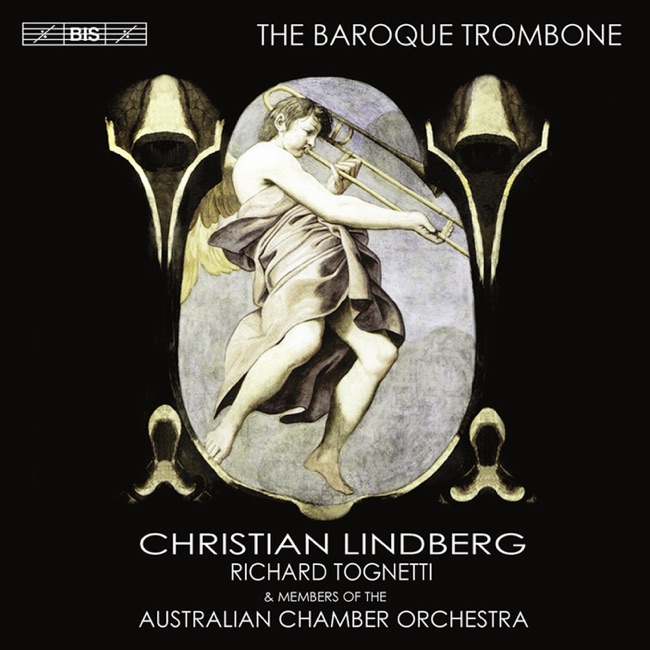
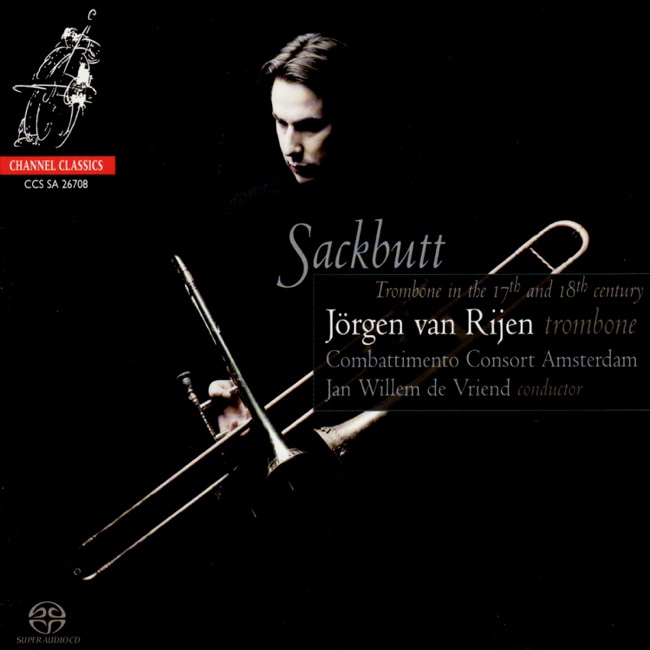
Works Info
Composer:Antonio BertaliGenre:ChamberStyle:Chamber MusicAverage_duration:5:42Antonio Bertali's 'Sonata à 3, for 2 violins, trombone & continuo' is a Baroque instrumental work that was composed in the early 17th century. The exact date of composition is unknown, but it is believed to have been written between 1620 and 1640. The piece was premiered in Vienna, where Bertali served as the court composer for the Habsburgs. The 'Sonata à 3' is divided into four movements, each with its own distinct character and style. The first movement is a lively and energetic Allegro, featuring intricate counterpoint between the two violins and the trombone. The second movement is a slow and expressive Adagio, with the violins and trombone weaving together in a beautiful and melancholic melody. The third movement is a playful and dance-like Allegro, with the violins and trombone trading off lively and syncopated rhythms. The final movement is a fast and virtuosic Presto, with the violins and trombone racing through a series of intricate and challenging passages. One of the most notable characteristics of Bertali's 'Sonata à 3' is its use of the trombone as a solo instrument. During the Baroque period, the trombone was primarily used as a supporting instrument in choral and orchestral music, but Bertali's piece showcases the instrument's unique and expressive qualities as a soloist. The two violins also play a prominent role in the piece, with Bertali using them to create intricate and complex harmonies and counterpoint. Overall, Bertali's 'Sonata à 3' is a masterful example of Baroque instrumental music, showcasing the composer's skill in creating complex and engaging works for small ensembles. Its use of the trombone as a solo instrument is particularly noteworthy, and the piece remains a popular and beloved work in the Baroque repertoire.More....
Works Music