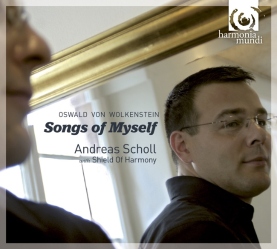
Oswald von Wolkenstein
Durch Barbarei, Arabia
Released Album
Recent Album
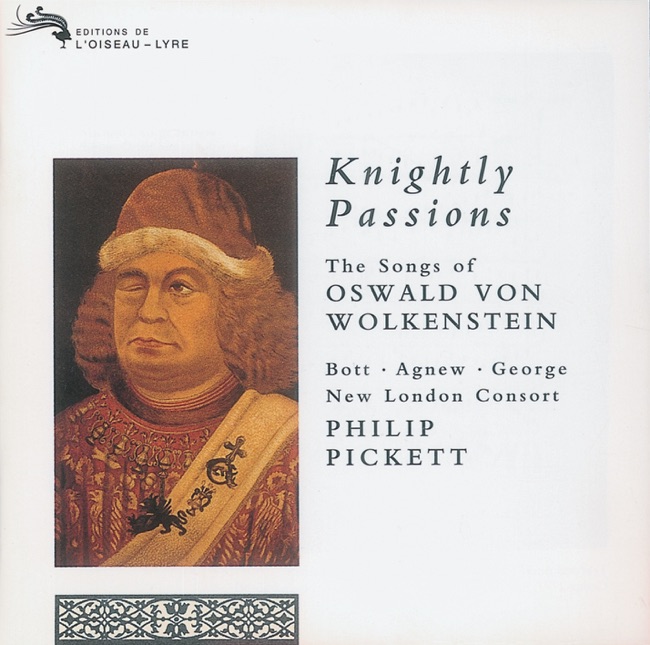
Works Info
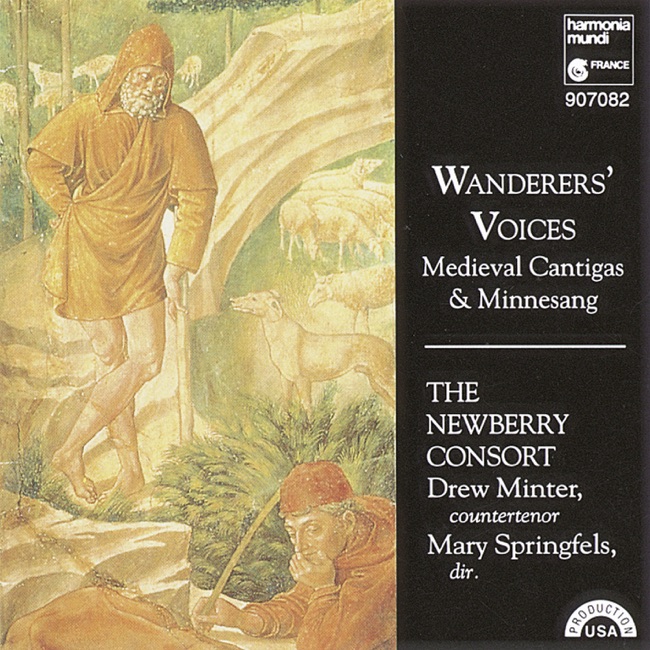
Composer:Oswald von WolkensteinGenre:VocalStyle:Vocal MusicAverage_duration:5:19"Durch Barbarei, Arabia" is a song composed by Oswald von Wolkenstein, a prominent German poet and composer of the late Middle Ages. The song was composed in the early 15th century and premiered during the Renaissance period. It is a secular song that is part of the Minnesang tradition, which was a form of courtly love poetry and song that was popular in medieval Germany. The song is divided into three movements, each with its own distinct characteristics. The first movement is slow and contemplative, with a mournful melody that reflects the sadness and despair of the narrator. The second movement is more upbeat and lively, with a faster tempo and a more joyful melody that reflects the narrator's sense of hope and optimism. The third movement is slower and more contemplative, with a melody that is both mournful and hopeful, reflecting the narrator's mixed emotions. The lyrics of the song are written in Middle High German and describe the narrator's journey through the Arabian desert. The narrator is a Christian knight who has been captured by Muslim forces and is being taken as a prisoner to the court of the Sultan. The song describes the harsh conditions of the desert, the narrator's feelings of despair and hopelessness, and his eventual release and return to his homeland. The song is notable for its use of imagery and symbolism, which are common features of the Minnesang tradition. The desert is used as a metaphor for the narrator's spiritual journey, with the harsh conditions representing the challenges and obstacles that he must overcome in order to find his way back to his faith and his homeland. The song also contains references to biblical stories and figures, such as the story of Joseph and his coat of many colors, which are used to illustrate the narrator's struggles and triumphs. Overall, "Durch Barbarei, Arabia" is a powerful and evocative song that captures the spirit of the Minnesang tradition. Its use of imagery, symbolism, and biblical references make it a rich and complex work that continues to be studied and appreciated by scholars and musicians today.More....
Works Music
Released Music
1
By barbarism, Arabia
Durch Barbarei, Arabia (Travelling through the land of the Berbers and Arabia)
2:31
3

9:4