Arnold Bax
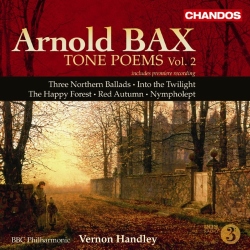
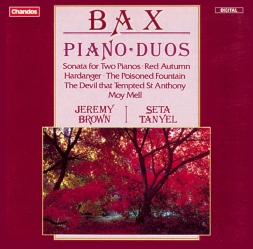
Red Autumn
Released Album
Recent Album
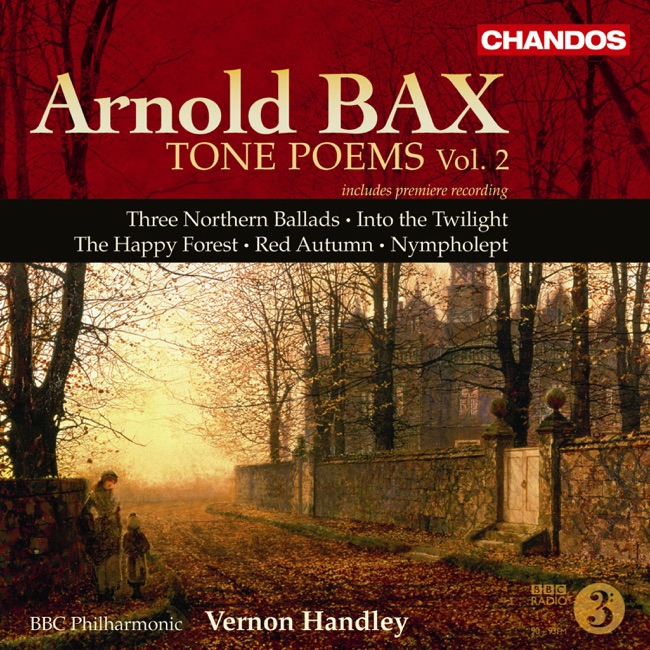
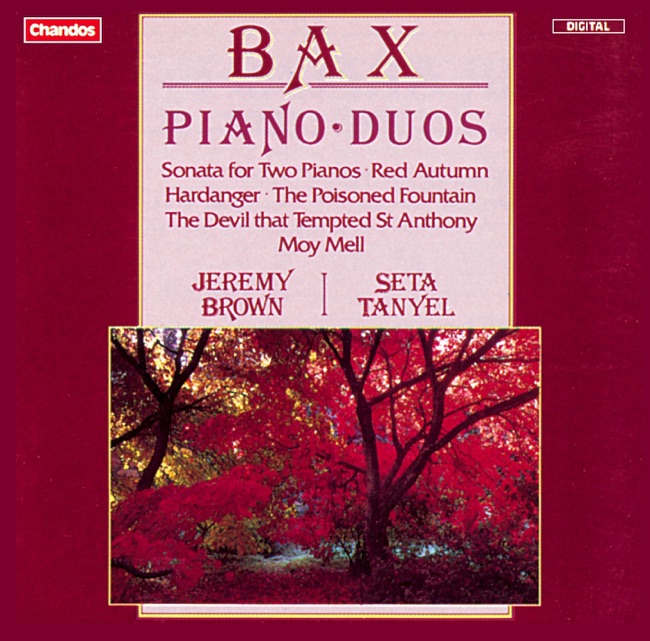
Featured Album
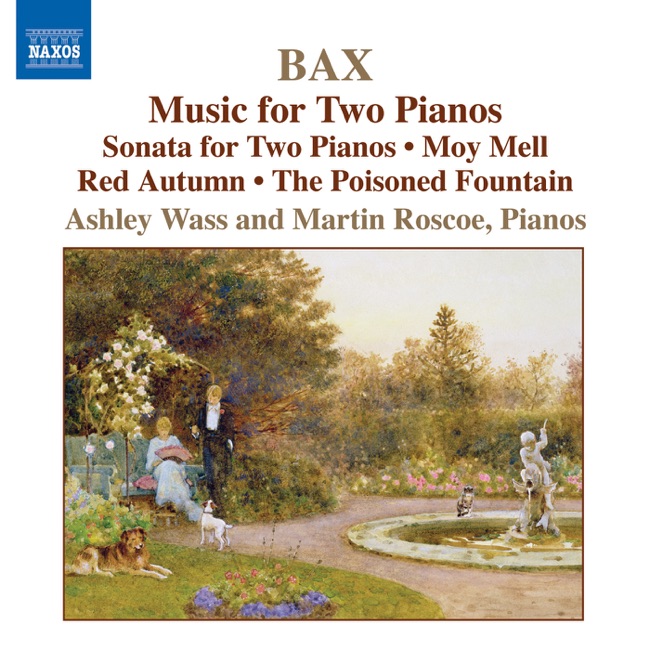
Works Info
Composer:Arnold BaxGenre:KeyboardStyle:Tone PoemCompose Date:1931Average_duration:4:42"Red Autumn" is a symphonic poem composed by Arnold Bax in 1922. It was premiered on October 26, 1922, by the London Symphony Orchestra conducted by Albert Coates. The piece is divided into three movements and has a total duration of approximately 20 minutes. The first movement, "The Wind in the Trees," begins with a soft and mysterious introduction, featuring the woodwinds and strings. The music gradually builds in intensity, with the brass and percussion joining in, creating a sense of tension and anticipation. The main theme is introduced by the strings, which is then developed and expanded upon by the rest of the orchestra. The movement ends with a return to the quiet and mysterious atmosphere of the opening. The second movement, "Dance of Life," is a lively and energetic scherzo. The music is characterized by its rhythmic drive and syncopated rhythms, which give it a sense of urgency and excitement. The main theme is introduced by the brass and is then passed around the orchestra, with each section adding its own unique color and texture to the music. The movement ends with a return to the opening theme, played softly and delicately by the strings. The final movement, "The March of the Dead," is a somber and haunting funeral march. The music is characterized by its slow and mournful tempo, as well as its use of dissonant harmonies and eerie orchestration. The main theme is introduced by the low strings and is then developed and expanded upon by the rest of the orchestra. The movement builds to a powerful climax, with the brass and percussion adding to the sense of drama and intensity. The piece ends with a quiet and peaceful coda, featuring the harp and strings. Overall, "Red Autumn" is a powerful and evocative work, showcasing Bax's skill as an orchestrator and his ability to create vivid musical landscapes. The piece is notable for its use of impressionistic harmonies and textures, as well as its incorporation of folk melodies and rhythms. It is a testament to Bax's unique voice as a composer and remains a popular work in the orchestral repertoire.More....
Works Music
Released Music
Featured Music