


Franz Liszt
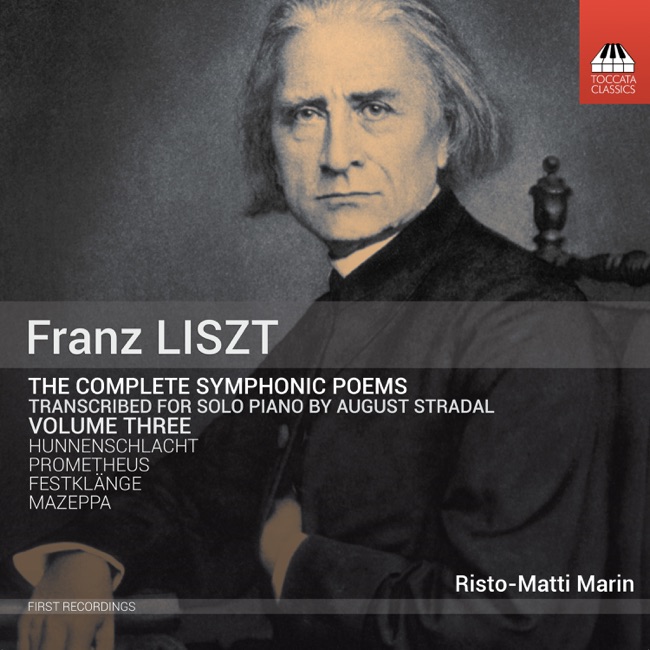
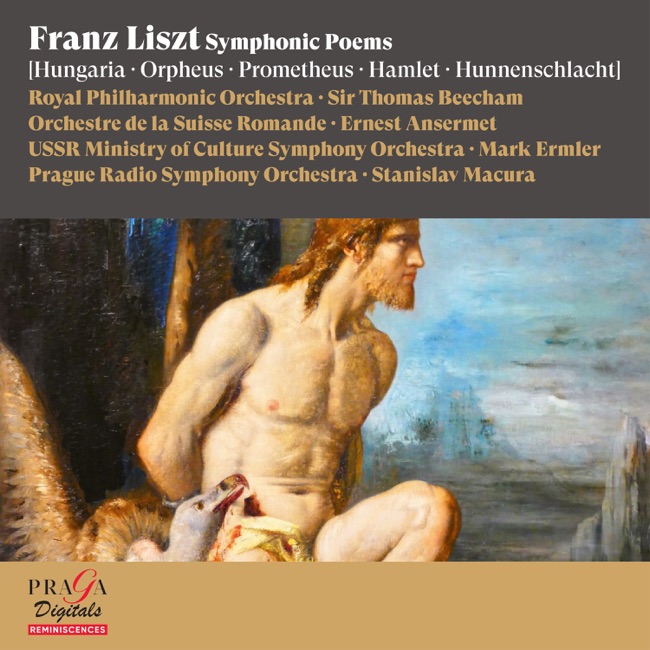
Prometheus (I & II), S. 99
Released Album
Recent Album

Featured Album
Works Info
Composer:Franz LisztGenre:OrchestralStyle:Tone PoemCompose Date:1850 - 1855Publication Date:1857First Performance:Aug 24, 1850Average_duration:13:27Prometheus (I & II), S. 99 is a symphonic poem composed by Franz Liszt in 1850. It was premiered on August 14, 1855, in Weimar, Germany, under the direction of Liszt himself. The piece is divided into two movements, each depicting a different aspect of the Greek mythological figure Prometheus. The first movement, titled "Prometheus Unbound," begins with a slow and ominous introduction, representing Prometheus' suffering as he is chained to a rock and tormented by an eagle. The music gradually builds in intensity, symbolizing Prometheus' defiance and determination to overthrow the gods. The main theme is introduced by the brass section, representing Prometheus' heroic spirit. The music then becomes more frenzied and chaotic, depicting the battle between Prometheus and the gods. The movement ends with a triumphant climax, as Prometheus is freed from his chains and rises up against his oppressors. The second movement, titled "Prometheus the Bringer of Fire," is more lyrical and introspective. It begins with a gentle and melancholic melody, representing Prometheus' contemplation of his actions and their consequences. The music then becomes more passionate and fiery, as Prometheus steals fire from the gods and brings it to humanity. The main theme is introduced by the strings, representing the gift of knowledge and enlightenment that Prometheus bestows upon humanity. The music then becomes more exultant and celebratory, as humanity rejoices in their newfound power and freedom. Overall, Prometheus (I & II), S. 99 is a powerful and dramatic work that showcases Liszt's mastery of orchestration and his ability to convey complex emotions and ideas through music. The piece is notable for its use of leitmotifs, recurring musical themes that represent specific characters or ideas, as well as its innovative use of harmony and form. It remains a popular and influential work in the symphonic repertoire.More....
Works Music
Released Music
2
13:17
5
13:51
7
13:2
Featured Music
Main Perform Artists