Johann Ludwig Krebs
Trio for organ in E minor
Released Album
Recent Album

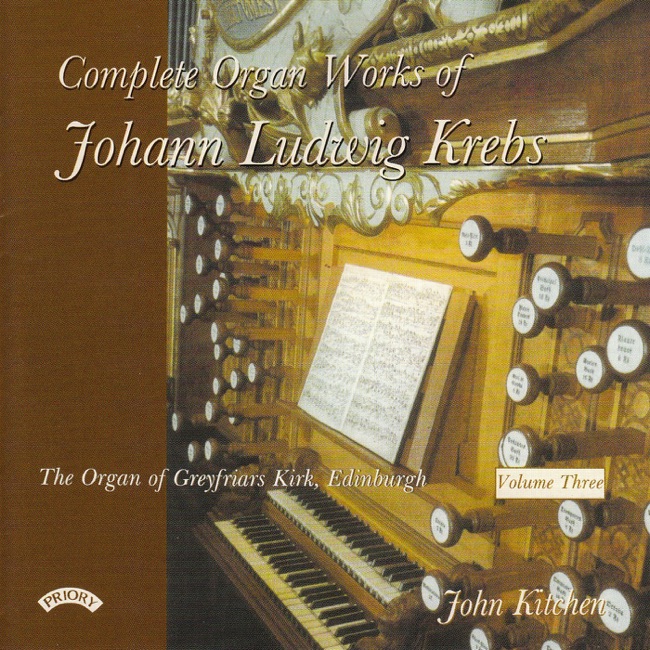
Works Info
Composer:Johann Ludwig KrebsGenre:ChamberStyle:Chamber MusicAverage_duration:8:25Movement_count:3Movement ....Johann Ludwig Krebs was a German composer and organist who lived from 1713 to 1780. He was a student of Johann Sebastian Bach and worked as an organist in various churches throughout his career. One of his most notable works is the Trio for organ in E minor, which was composed in the mid-18th century. The Trio for organ in E minor is a three-movement work that showcases Krebs' skill as an organist and composer. The piece is written for a solo organ and is characterized by its intricate counterpoint and use of chromaticism. The movements are as follows: 1. Allegro moderato - The first movement is a lively and energetic piece that features a complex interplay between the three voices. The main theme is introduced by the upper voice and is then passed between the other two voices. The movement is characterized by its use of syncopation and its frequent changes in tempo. 2. Adagio - The second movement is a slow and contemplative piece that features a simple melody in the upper voice. The lower voices provide a gentle accompaniment, and the movement is characterized by its use of suspensions and dissonances. 3. Allegro - The final movement is a fast and lively piece that features a fugue-like structure. The main theme is introduced by the upper voice and is then imitated by the other two voices. The movement is characterized by its use of stretto and its frequent changes in texture. The Trio for organ in E minor was likely composed in the mid-18th century, although the exact date is unknown. The piece was likely premiered by Krebs himself, who was known for his virtuosic organ playing. The work is notable for its intricate counterpoint and its use of chromaticism, which was a hallmark of the Baroque era. Overall, the Trio for organ in E minor is a masterful work that showcases Krebs' skill as a composer and organist. The piece is characterized by its intricate counterpoint, use of chromaticism, and frequent changes in tempo and texture. It remains a popular work among organists and Baroque music enthusiasts to this day.More....
Works Music
Released Music