Gregorian Chant
Quem vidistis pastores
Released Album
Recent Album
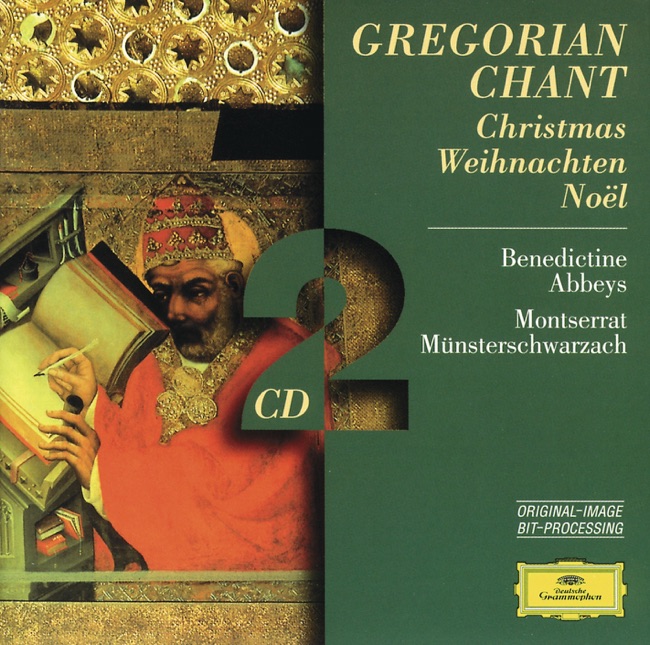
Featured Album
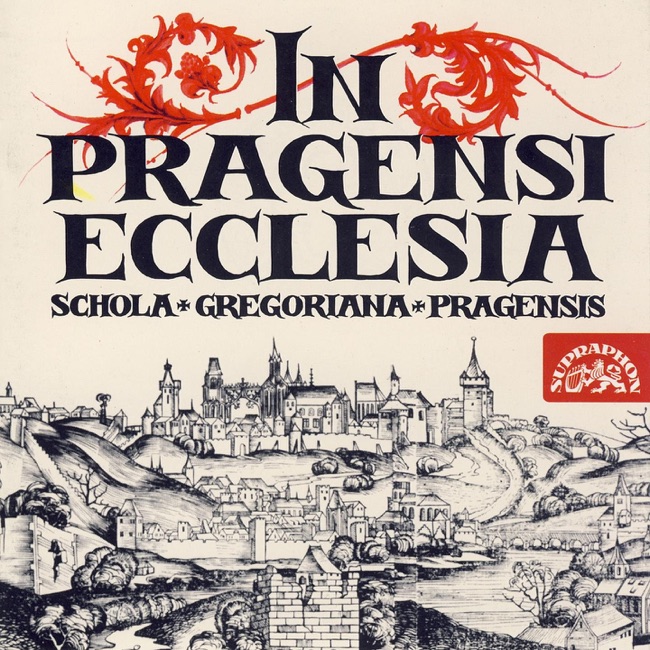
Works Info
Composer:Gregorian ChantGenre:ChoralStyle:ChantAverage_duration:2:34"Quem vidistis pastores" is a Gregorian chant that is traditionally sung during the Christmas season. The chant is believed to have been composed in the 9th century and is one of the oldest known Christmas carols. The text of the chant is taken from the Gospel of Luke, where the shepherds are visited by an angel who tells them of the birth of Jesus. The chant is typically performed in four movements, each of which is characterized by a different melody and rhythm. The first movement begins with a solo voice singing the opening line, "Quem vidistis pastores?" ("Whom did you see, shepherds?"). This is followed by a response from the choir, "Dicite, dicite, nobis in terris quis apparuit?" ("Tell us, tell us, who has appeared on earth?"). The melody of this movement is simple and plaintive, reflecting the awe and wonder of the shepherds as they witness the birth of Jesus. The second movement is more lively and joyful, reflecting the shepherds' excitement at the news of the birth of the Messiah. The choir sings, "Salvator noster Christus Dominus est, quem vos, olim, pastores, adorare hodie venistis" ("Our Savior Christ the Lord is he, whom you, shepherds of old, have come to adore today"). The melody is more complex and ornamented, with frequent melodic leaps and trills. The third movement is a solo, sung by a tenor or baritone voice. The text is taken from the Gospel of Luke, where the angel tells the shepherds, "Gloria in excelsis Deo et in terra pax hominibus bonae voluntatis" ("Glory to God in the highest, and on earth peace to people of good will"). The melody is simple and serene, reflecting the peace and joy that the shepherds feel at the news of the birth of Jesus. The final movement is a return to the opening melody, with the choir singing, "Alleluia, alleluia, alleluia" in joyful celebration of the birth of Christ. The melody is more complex and ornamented than in the first movement, reflecting the joy and exultation of the shepherds as they spread the news of the birth of the Messiah. Overall, "Quem vidistis pastores" is a beautiful and timeless example of Gregorian chant, with its simple yet profound melodies and its timeless message of hope and joy. It continues to be sung and enjoyed by people of all faiths and backgrounds, and remains a beloved part of the Christmas season.More....
Works Music
Released Music
Featured Music