Franz Liszt
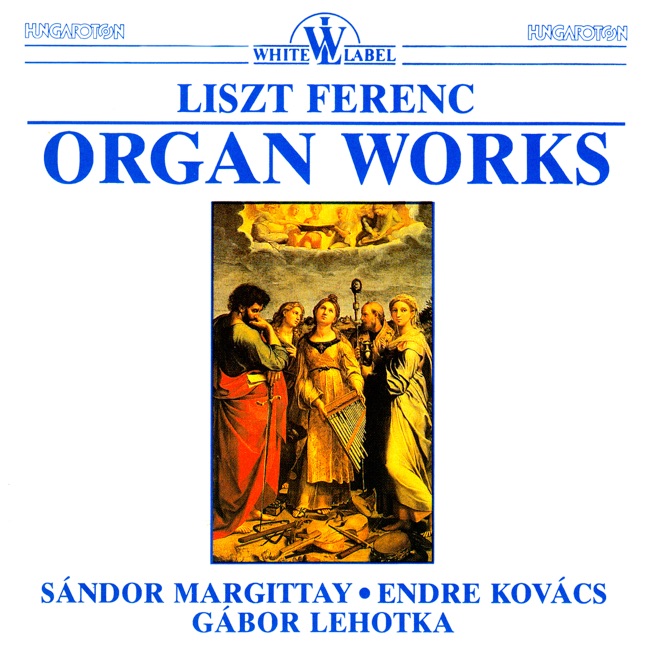
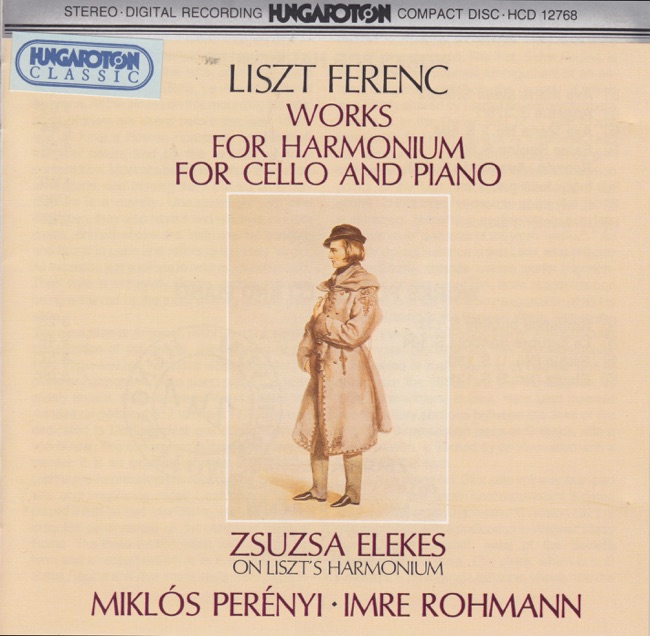
Angelus! Prière aux anges gardiens, for harmonium, S. 672c
Released Album
Recent Album


Featured Album
Works Info
Composer:Franz LisztGenre:KeyboardStyle:KeyboardCompose Date:1877Publication Date:1883Average_duration:6:36Franz Liszt's 'Angelus! Prière aux anges gardiens, for harmonium, S. 672c' is a beautiful and contemplative piece of music that was composed in 1881. The piece was premiered in the same year in Rome, Italy, and was dedicated to the composer's friend, the Abbé Louis Niedermeyer. 'Angelus! Prière aux anges gardiens' is a single-movement work that is characterized by its slow and meditative pace. The piece is written for the harmonium, an instrument that was popular in the 19th century and was often used in churches and other religious settings. The harmonium's soft and gentle sound is well-suited to the contemplative nature of the piece. The piece begins with a simple and serene melody that is played on the harmonium. This melody is then repeated and developed throughout the piece, with Liszt adding subtle variations and embellishments to keep the listener engaged. The harmonium's gentle sound is complemented by the use of pedal points, which create a sense of stability and grounding. As the piece progresses, Liszt introduces new harmonies and textures, building to a climax before returning to the simple and serene melody that opened the piece. The final section of the piece is marked by a sense of calm and tranquility, as the harmonium's soft and gentle sound fades away. Overall, 'Angelus! Prière aux anges gardiens' is a beautiful and contemplative piece of music that showcases Liszt's skill as a composer. The piece's slow and meditative pace, combined with the gentle sound of the harmonium, creates a sense of peace and serenity that is perfect for quiet reflection and contemplation.More....
Works Music
Released Music
1
5:10
2
8:6
3

Angelus! Prière aux anges gardiens, for harmonium, p. 672c
Angelus! Prière aux anges gardiens - Andante pietoso
6:2
4
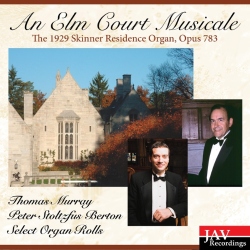
Angelus! Prière aux anges gardiens, for harmonium, p. 672c
Angelus! Prière aux Anges gardiens
6:27

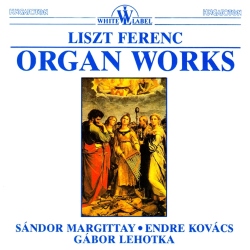
Featured Music