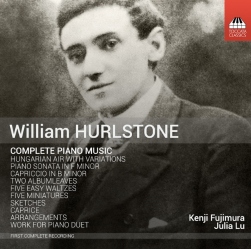
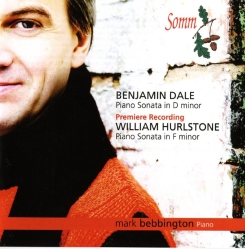
William Hurlstone
Piano Sonata in F minor
Released Album
Recent Album

Works Info
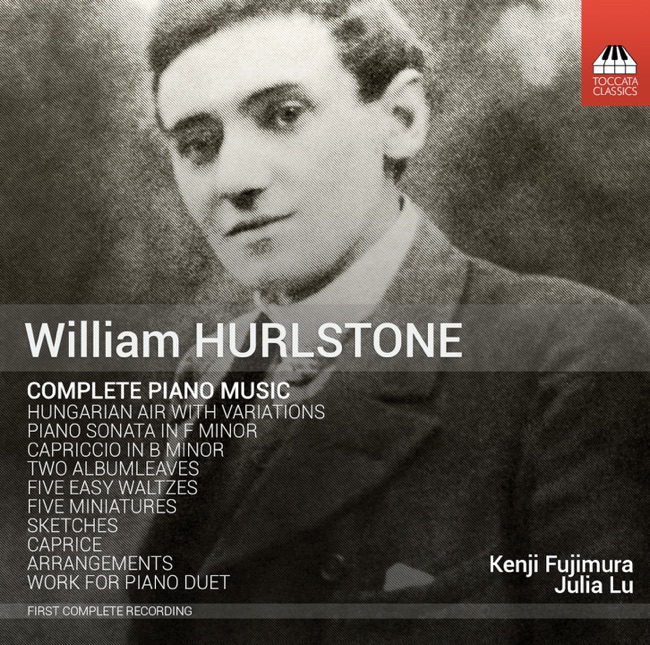
Composer:William HurlstoneGenre:KeyboardAverage_duration:31:34Movement_count:4Movement ....The Piano Sonata in F minor is a composition by the British composer William Hurlstone. It was composed in 1901 and premiered the same year in London. The sonata is divided into four movements and is considered one of Hurlstone's most significant works. The first movement, marked Allegro moderato, begins with a dramatic and intense introduction that sets the tone for the rest of the piece. The main theme is introduced by the piano and is then developed throughout the movement. The second theme is more lyrical and provides a contrast to the first. The movement ends with a coda that brings back the intensity of the introduction. The second movement, marked Andante, is a beautiful and lyrical piece that showcases Hurlstone's gift for melody. The piano plays a simple and elegant theme that is then developed by the violin. The movement is characterized by its delicate and expressive nature. The third movement, marked Scherzo, is a lively and playful piece that provides a contrast to the previous movement. The piano and violin play off each other in a series of quick and intricate passages. The movement ends with a brief coda that brings back the main theme. The final movement, marked Allegro con fuoco, is a fiery and intense piece that brings the sonata to a dramatic conclusion. The piano and violin engage in a series of virtuosic passages that showcase the technical abilities of both instruments. The movement ends with a triumphant coda that brings the sonata to a thrilling close. Overall, the Piano Sonata in F minor is a significant work in the repertoire of British chamber music. It showcases Hurlstone's gift for melody, his technical abilities as a composer, and his ability to create a cohesive and dramatic work.More....
Works Music
Released Music