Francisco Tárrega
Etude for guitar No. 2, De Velocidad
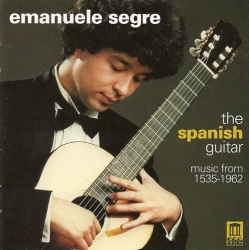
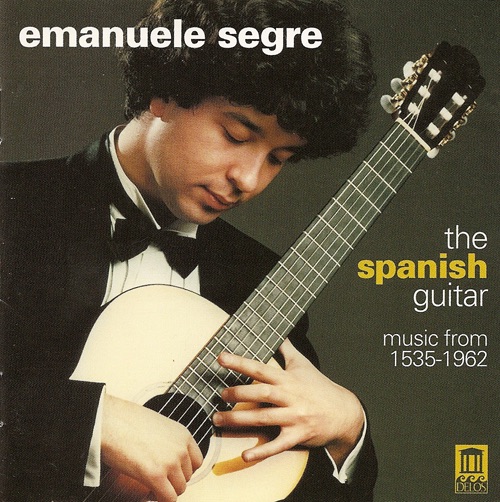
Released Album
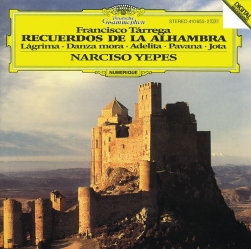
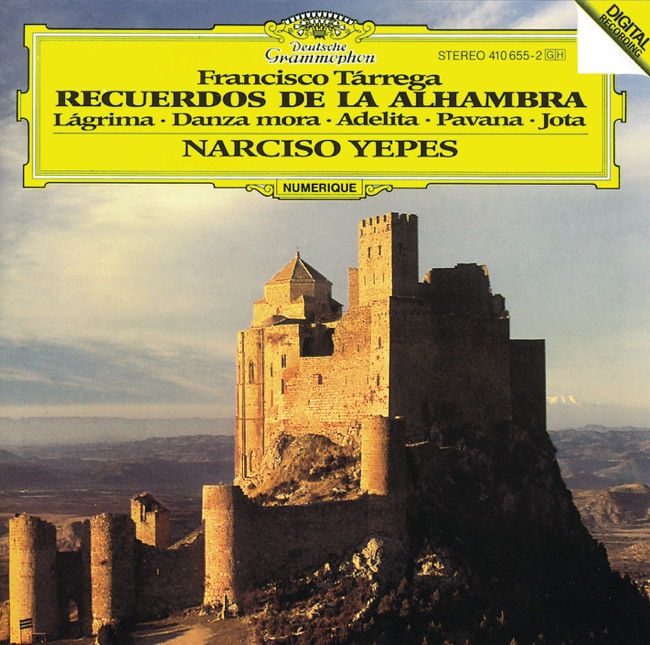
Recent Album
Works Info
Composer:Francisco TárregaGenre:ChamberStyle:EtudeAverage_duration:1:28Etude for guitar No. 2, De Velocidad, was composed by Francisco Tárrega, a Spanish composer and guitarist, in the late 19th century. The piece was first published in 1902, and it quickly became a popular choice for guitarists looking to improve their speed and technique. The etude is composed of three movements, each of which focuses on a different aspect of guitar playing. The first movement is marked Allegro, and it is characterized by its fast, staccato notes and intricate fingerwork. The second movement, marked Andante, is slower and more melodic, with a focus on phrasing and expression. The final movement, marked Allegro, returns to the fast, technical style of the first movement, with a series of challenging runs and arpeggios. One of the most notable characteristics of this etude is its use of tremolo, a technique in which the player rapidly alternates between two or more notes. Tárrega was known for his mastery of tremolo, and he incorporated it into many of his compositions, including this one. The etude also features a number of challenging chord progressions and fingerings, making it a popular choice for advanced guitarists looking to improve their technique. Overall, Etude for guitar No. 2, De Velocidad, is a challenging and rewarding piece for guitarists of all levels. Its intricate fingerwork, use of tremolo, and challenging chord progressions make it a popular choice for those looking to improve their speed and technique, while its melodic and expressive second movement showcases Tárrega's skill as a composer.More....
Works Music