


Johann Sebastian Bach
Dies sind die heil'gen zehn Gebot', BWV 298
Released Album
Recent Album
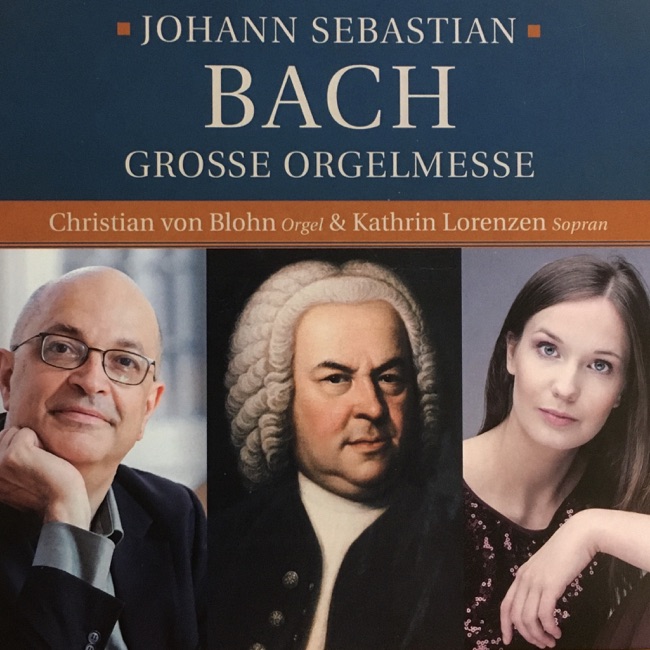
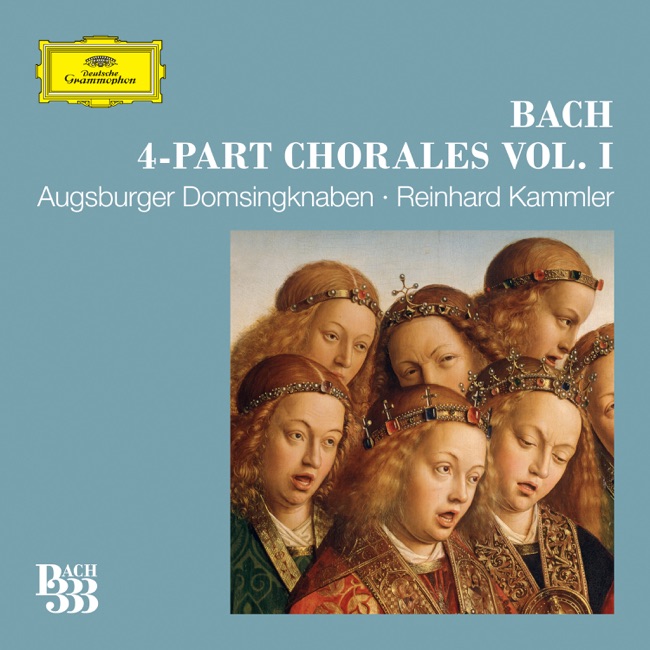
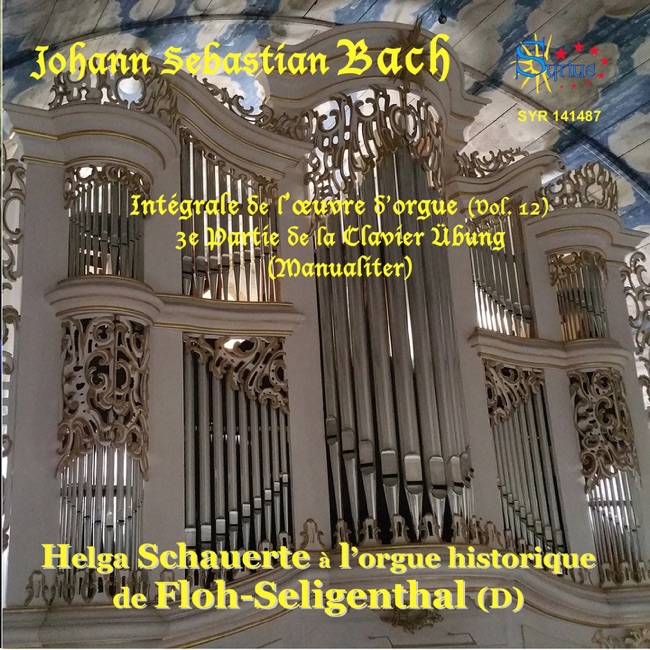
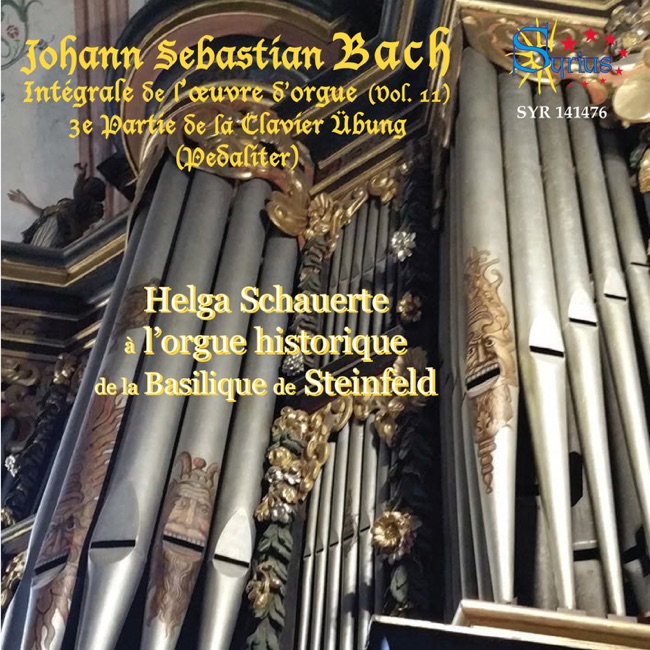
Featured Album
Works Info
Composer:Johann Sebastian BachGenre:ChoralStyle:ChoraleCompose Date:before 1751Publication Date:1784 - 1787Average_duration:0:46'Dies sind die heil'gen zehn Gebot', BWV 298, is a choral work composed by Johann Sebastian Bach. The piece was composed in the early 18th century, and its premiere date is unknown. The work is divided into ten movements, each corresponding to one of the Ten Commandments. The first movement, "Du sollst an einen Gott glauben nur" (You shall believe in only one God), is a simple and straightforward setting of the text. The second movement, "Du sollst den Namen Gottes ehren" (You shall honor the name of God), is more complex, with a lively and energetic melody. The third movement, "Du sollst den Feiertag heiligen" (You shall keep the Sabbath holy), is a slower and more contemplative piece, with a gentle melody and a sense of reverence. The fourth movement, "Du sollst Vater und Mutter ehren" (You shall honor your father and mother), is a more upbeat and joyful piece, with a lively melody and a sense of celebration. The fifth movement, "Du sollst nicht töten" (You shall not kill), is a somber and mournful piece, with a slow and mournful melody. The sixth movement, "Du sollst nicht ehebrechen" (You shall not commit adultery), is a more complex and intricate piece, with a sense of tension and conflict in the melody. The seventh movement, "Du sollst nicht stehlen" (You shall not steal), is a lively and energetic piece, with a sense of playfulness in the melody. The eighth movement, "Du sollst nicht falsch Zeugnis reden" (You shall not bear false witness), is a more serious and contemplative piece, with a slow and thoughtful melody. The ninth movement, "Du sollst nicht begehren deines Nächsten Haus" (You shall not covet your neighbor's house), is a slower and more introspective piece, with a sense of longing and desire in the melody. The final movement, "Du sollst nicht begehren deines Nächsten Weib" (You shall not covet your neighbor's wife), is a more complex and intricate piece, with a sense of tension and conflict in the melody. Overall, 'Dies sind die heil'gen zehn Gebot', BWV 298, is a masterful choral work that showcases Bach's skill as a composer. The piece is characterized by its intricate melodies, complex harmonies, and sense of reverence and celebration.More....
Works Music
Released Music
1
49

3
38
4

38
5
1:14
6
31
7
41
8
1:5
9
46
Featured Music
2
These are the holy ten commandments', BWV 298
Choral Dies sind die heilgen zehen Gebot, BWV 298
42
3
These are the holy ten commandments', BWV 298
Choral Dies sind die heilgen zehen Gebot, BWV 298
1:32