Antonio Vivaldi
Sonata for recorder & continuo in G major, RV 806
Released Album
Recent Album
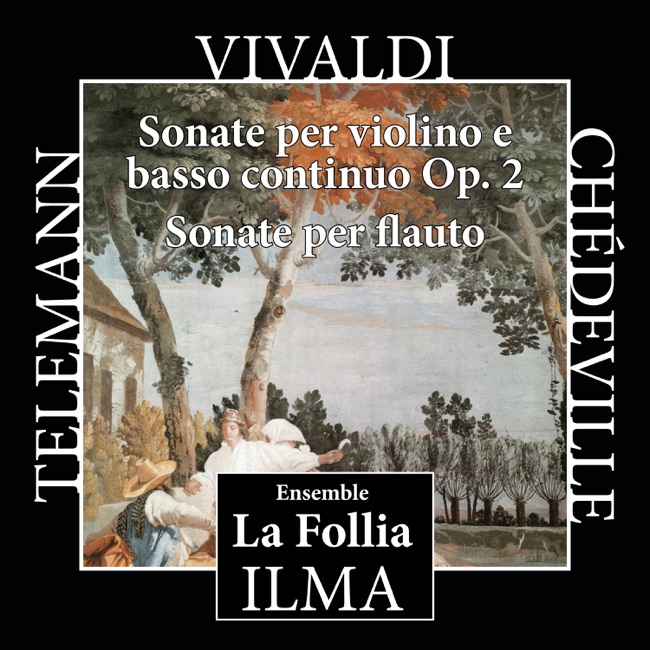
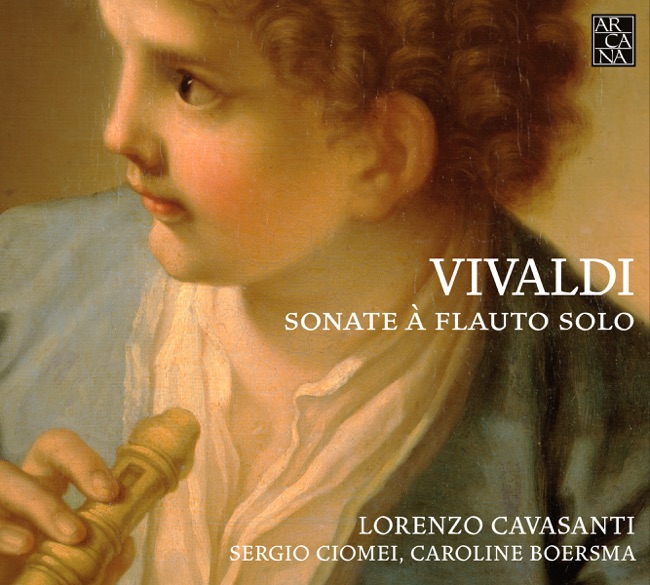
Works Info
Composer:Antonio VivaldiGenre:ChamberAverage_duration:7:45Movement_count:4Movement ....Antonio Vivaldi's Sonata for recorder & continuo in G major, RV 806, was composed in the early 18th century. The exact date of composition is unknown, but it is believed to have been written between 1710 and 1720. The sonata was premiered in Venice, Italy, where Vivaldi was a prominent composer and violinist. The sonata consists of three movements: Allegro, Largo, and Allegro. The first movement, Allegro, is in a fast tempo and features a lively melody played by the recorder. The continuo provides a steady bass line and harmonic support. The second movement, Largo, is in a slow tempo and features a more lyrical melody played by the recorder. The continuo provides a simple accompaniment, allowing the recorder to shine. The final movement, Allegro, is in a fast tempo and features a lively melody played by both the recorder and the continuo. The two instruments engage in a playful dialogue, with each taking turns leading the melody. The sonata is characteristic of Vivaldi's style, with its virtuosic recorder writing and lively rhythms. Vivaldi was known for his use of programmatic elements in his music, and while this sonata does not have an explicit program, it is easy to imagine the playful and joyful nature of the music. The sonata is also notable for its use of the recorder, an instrument that was popular in the Baroque era but fell out of favor in later periods. Overall, Vivaldi's Sonata for recorder & continuo in G major, RV 806, is a charming and lively work that showcases the virtuosity of the recorder and the skill of the composer. Its popularity has endured over the centuries, and it remains a beloved work in the recorder repertoire.More....
Works Music
Released Music