Giovanni Gabrieli
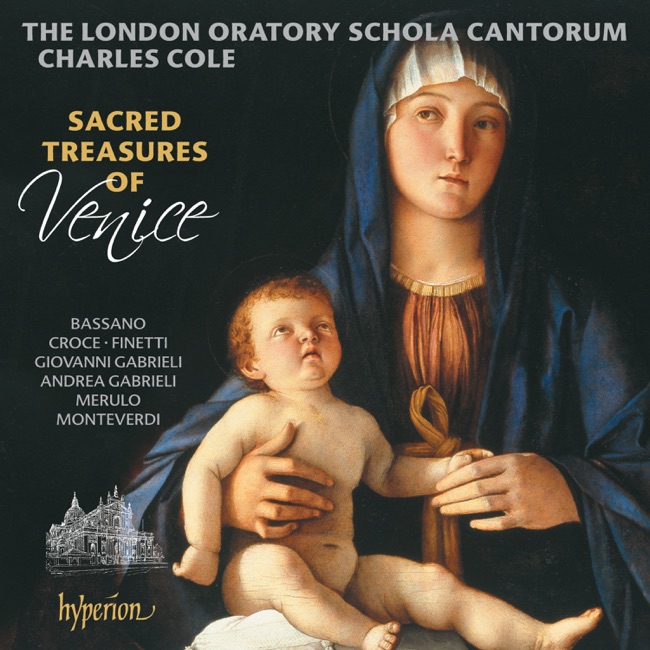
Beata es, virgo Maria
Released Album
Recent Album
Featured Album
Works Info
Composer:Giovanni GabrieliGenre:ChoralStyle:MotetPublication Date:1597Average_duration:4:58'Beata es, virgo Maria' is a sacred motet composed by Giovanni Gabrieli, an Italian composer and organist of the late Renaissance and early Baroque periods. The piece was composed in the late 16th century, around 1597, and was first performed in Venice, Italy. The motet is written for eight voices, divided into two choirs, and is in the key of G major. It is divided into three movements, each with its own distinct character and musical style. The first movement is a joyful and celebratory setting of the text "Beata es, virgo Maria" (Blessed are you, Virgin Mary). The two choirs alternate in singing the text, with the second choir echoing and embellishing the phrases sung by the first choir. The music is characterized by lively rhythms, bright harmonies, and intricate polyphony. The second movement is a more contemplative setting of the text "Quae est ista quae ascendit" (Who is this that comes up?). The music is slower and more subdued, with a more homophonic texture and a greater emphasis on the text. The two choirs sing together in harmony, with occasional moments of imitation and counterpoint. The final movement is a triumphant setting of the text "Gloriosa dicta sunt de te" (Glorious things are spoken of you). The music is characterized by bold, majestic harmonies and a grand, celebratory character. The two choirs sing together in unison, with occasional moments of antiphonal singing and imitative counterpoint. Overall, 'Beata es, virgo Maria' is a masterful example of Gabrieli's skill in writing for multiple choirs and creating complex, intricate polyphony. The piece is a testament to the rich musical tradition of the Venetian school, and remains a beloved work in the choral repertoire to this day.More....