


Johann Jacob Froberger
Partita No. 30, for keyboard in A minor, for keyboard, FbWV 630
Released Album
Recent Album
-
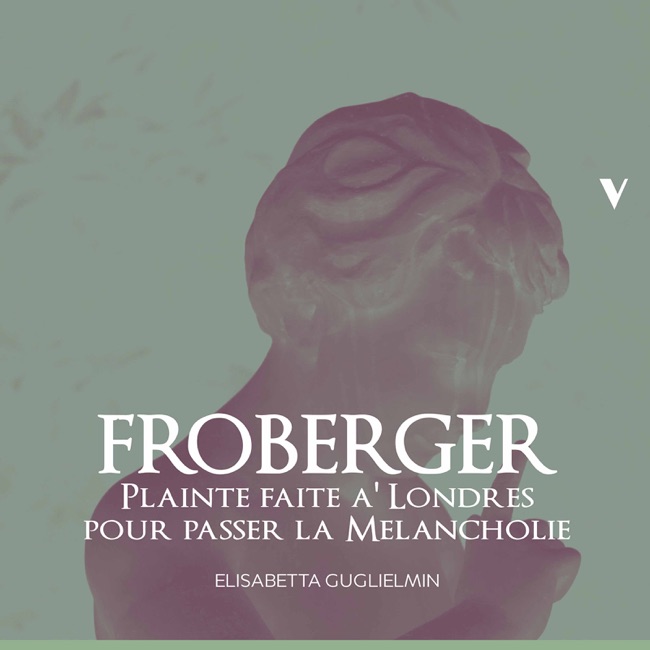 Elisabetta GuglielminOctober 22, 2021
 -
-
-
-
-
-
-
Featured Album
Works Info
Composer:Johann Jacob FrobergerGenre:KeyboardStyle:KeyboardAverage_duration:9:54Movement_count:4Movement ....Johann Jacob Froberger's Partita No. 30, for keyboard in A minor, FbWV 630, is a collection of dance movements that was composed in the mid-17th century. The exact date of composition is unknown, but it is believed to have been written sometime between 1656 and 1667. The partita consists of six movements, each of which is based on a different dance form. The first movement is an allemande, a slow and stately dance in quadruple meter. It is characterized by its flowing, lyrical melody and its use of ornamentation, such as trills and mordents. The second movement is a courante, a faster dance in triple meter. It is marked by its lively, syncopated rhythms and its use of hemiola, a rhythmic device in which two groups of three beats are played as if they were three groups of two beats. The third movement is a sarabande, a slow and solemn dance in triple meter. It is known for its expressive, melancholy melody and its use of suspensions, in which a note from the previous chord is held over into the next chord, creating a dissonance that is then resolved. The fourth movement is a gigue, a fast dance in compound meter. It is characterized by its lively, syncopated rhythms and its use of imitative counterpoint, in which one voice imitates the melody of another voice. The fifth movement is a chaconne, a dance in triple meter that is based on a repeating harmonic progression. It is marked by its driving, repetitive rhythm and its use of variations, in which the melody is varied and embellished over the course of the dance. The final movement is a passacaglia, a dance in triple meter that is similar to the chaconne but is based on a repeating bass line rather than a harmonic progression. It is characterized by its solemn, majestic melody and its use of ground bass, in which the bass line is repeated throughout the piece while the melody above it changes. Overall, Froberger's Partita No. 30 is a masterful example of Baroque keyboard music, showcasing the composer's skill in writing for the keyboard and his ability to create a variety of moods and textures through the use of different dance forms and musical techniques.More....
Works Music
Released Music
1
3:36
2
1:21
3
Partita No. 30, for keyboard in A minor, for keyboard, FbWV 630
Plaincte faite à Londres pour passer la Melancolie
3:30
4
Partita No. 30, for keyboard in A minor, for keyboard, FbWV 630
Plainte faite à Londres pour passer la Melancholie
3:13
5
Partita No. 30, for keyboard in A minor, for keyboard, FbWV 630
Plainte Faite À Londres Pour Passer la Melan
4:5
6
6:51
7
3:23
8
Partita No. 30, for keyboard in A minor, for keyboard, FbWV 630
Plainte faite à Londres pour passer la Melancholie
3:6
Featured Music
1
Partita No. 30, for keyboard in A minor, for keyboard, FbWV 630
Plaincte faite à Londres pour passer la Melancolie la quelle se joüe lentement et à discretion
5:5
2
1:11
3
2:12
4
1:20
5
Partita No. 30, for keyboard in A minor, for keyboard, FbWV 630
Suite XXX: Plaincte faite à Londres pour passer la Melancolie - Courante - Sarabande - Gigue (Libro Terzo)
5:38